


Thirty years’ watching the changing face of Beijing









Around Chaoyang, particularly within the central business district, some unique contrasts have arisen, with 21st-century architecture coming face-to-face with apartments that once housed factory workers and their families.
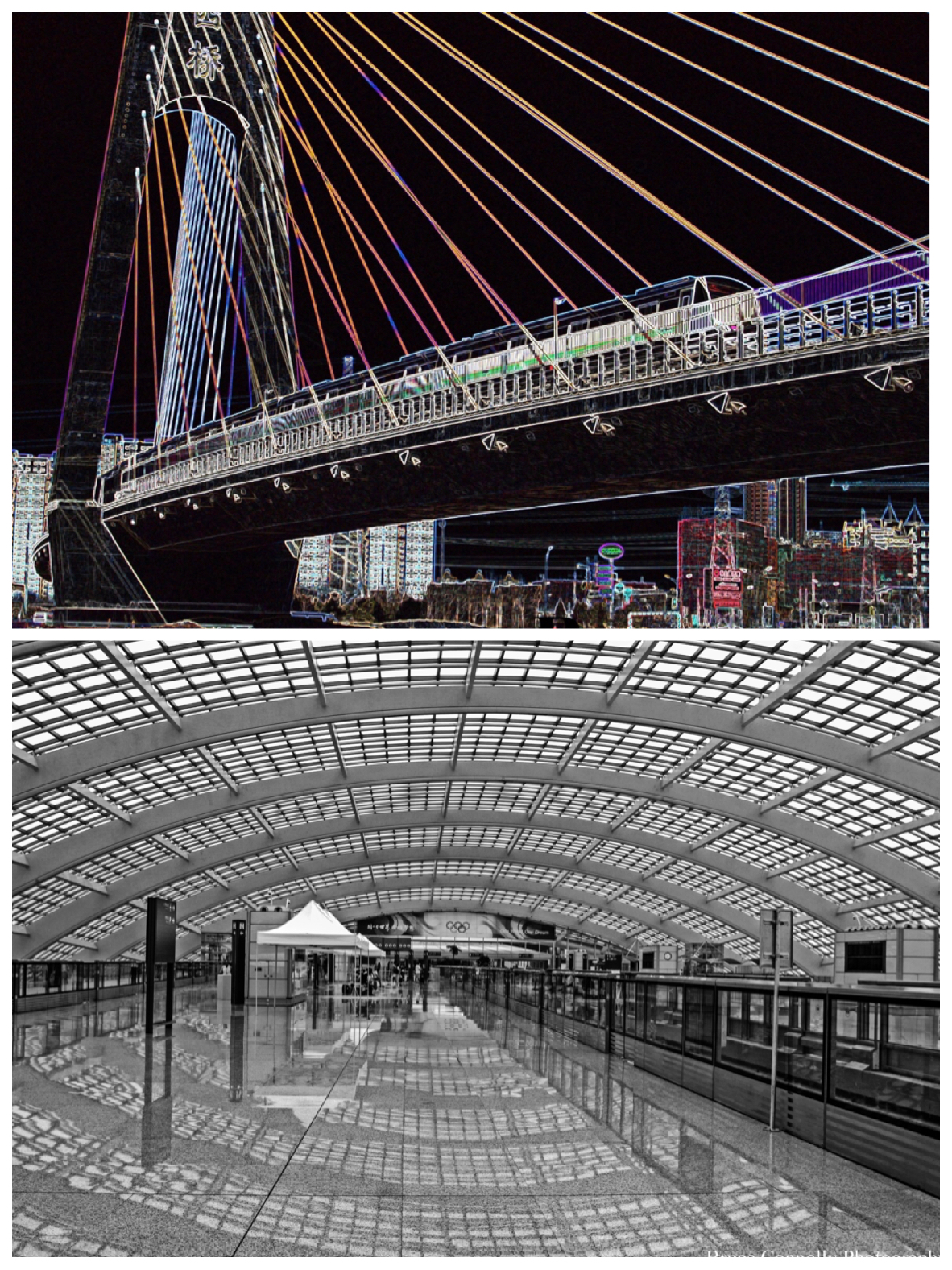
A major stimulus to Beijing's transformation to a world-class city was the run-up to the 2008 Olympics. While construction of the Olympic Green produced landmark structures such as the National Stadium, other less obvious changes were underway — mostly underground. It is hard to imagine only 15 years ago Beijing had just two metro lines. One followed the former inner city walls, while the other went out west from Xidan to Pingguoyuan close to the Western Hills. Today, the city has a system that just keeps on growing.
This not only greatly improves mobility, but is also a factor in stimulating urban expansion. Some suburban lines have added to the city's futuristic architectural signatures, such as the graceful design of Lishuiqiao Bridge, which carries Line 5 across the Qinghe River.