



HK, Macao to benefit from Bay Area integration









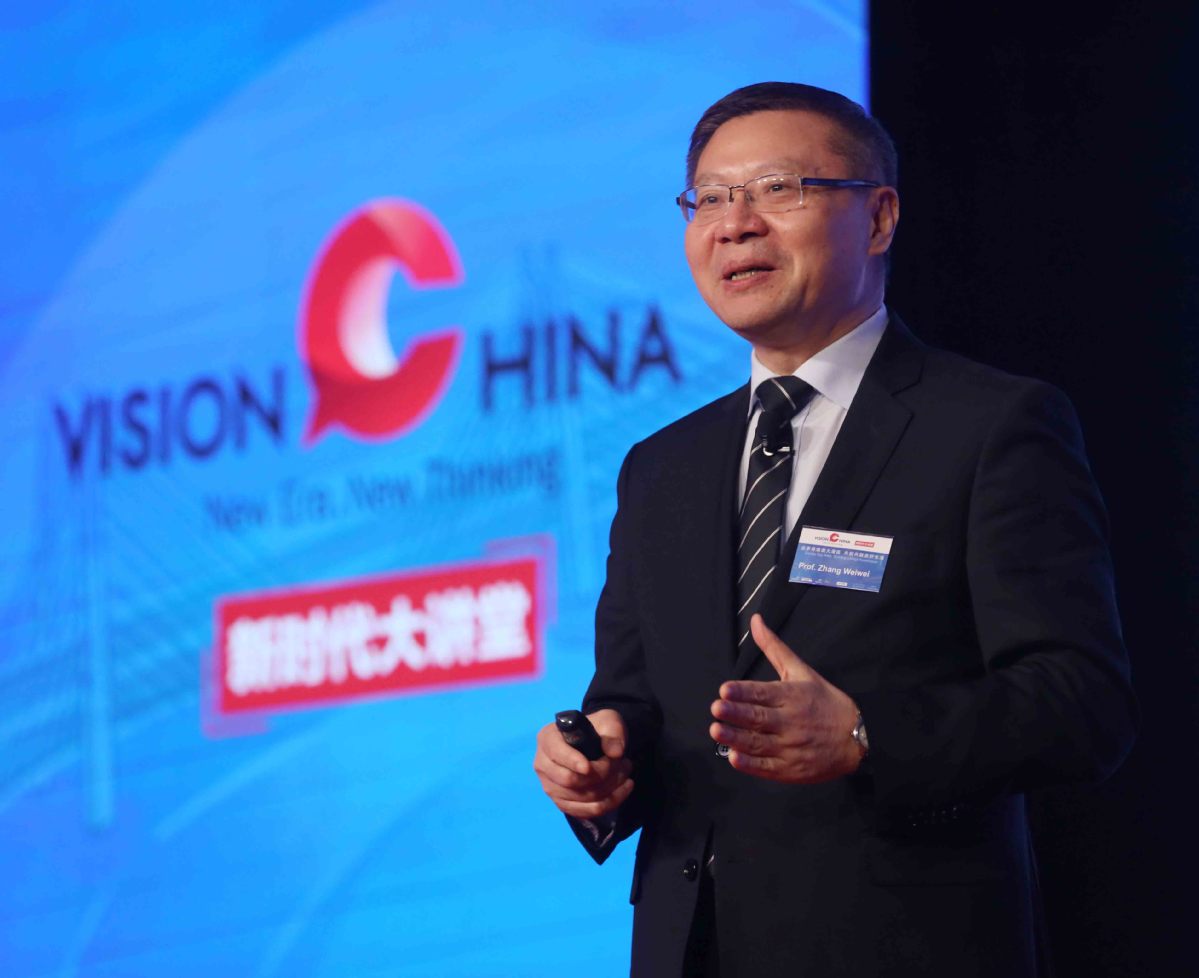
Zhang Weiwei, director of the China Institute at Fudan University, argues that China's growth model has many things to contribute to the Greater Bay Area development plan.
Zhang said China has found a unique development model and it has been proved to be successful. In the past 40 years, the country's average annual GDP growth rate reached about 9 percent and its trade growth rate is about 15 percent yearly. More importantly, by 2018, China had lifted 850 million people from poverty.
The Greater Bay Area blueprint highlights putting people's livelihoods first, opening up at home and abroad, adopting consultative democracy and strategic planning — all of which are in line with China's model in political, economic and social domains, he said.
Furthermore, China's reforms always begin via experimentation such as the central government positioning Shenzhen, Guangdong province, as a pilot demonstration zone of socialism with Chinese characteristics, Zhang added.
As to how the area will influence the nation's overall development in the future, Zhang said technology will play a key role.





