



Evidence can't support COVID-19 lab leak theory, says researchers









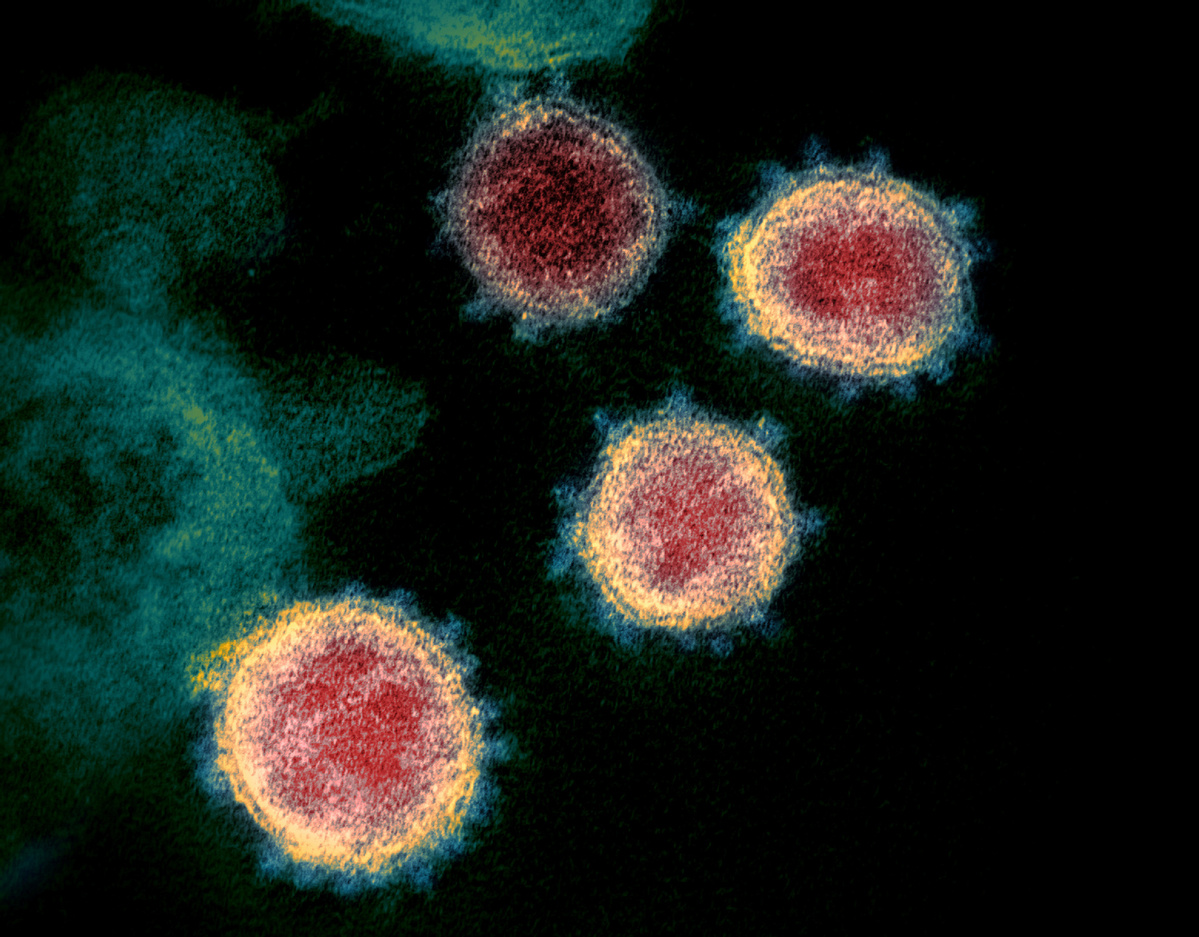
HONG KONG -- Researchers at China's Wuhan Institute of Virology have found a new branch in the family tree of bat coronaviruses and the result cannot support the COVID-19 lab leak theory, the South China Morning Post has reported.
The viruses, which have high levels of similarity across certain areas of the genomeare, are more distantly related to the coronavirus that causes COVID-19 than several other known viruses, the researchers was quoted as saying on Tuesday in a paper released last week.
In the paper, the researchers said the "evidence cannot support" the lab leak theory since the closest strain in their laboratories, with a 96 percent similarity to Sars-CoV-2 or decades of evolutionary distance, has a very weak ability to bind to human cells.
The research examined eight viruses from over 1,000 samples collected in 2015 from bats in and around a mining cave in China's southwestern province of Yunnan.
The viruses could not efficiently bind to a human cell receptor used by other coronaviruses that infect people, according to experiments on one of the viruses, dubbed RaTG15, indicating little spillover potential without further adaptation, according to the paper.
The paper provides further evidence that the Wuhan lab does not contain a close enough virus to Sars-CoV-2 for it to have been the source of the COVID-19 outbreak, said evolutionary biologist Edward Holmes at the University of Sydney, who was not involved with the work, adding that the latest viruses are "clearly distant to Sars-CoV-2."






- China sees 6.522 billion domestic tourist trips in 2025
- China to boost extreme weather forecasting capabilities in 2026
- China hits 469m motor vehicles in 2025 amid drop in dangerous driving cases
- Fujian deepens cross-Strait integration with Taiwan through infrastructure and cultural initiatives
- Winter sports push tourism in NE China's Jilin
- 'Beijing Rocket Street': A launchpad for accelerated development