

Reusable rocket super factory breaks ground in Qiantang
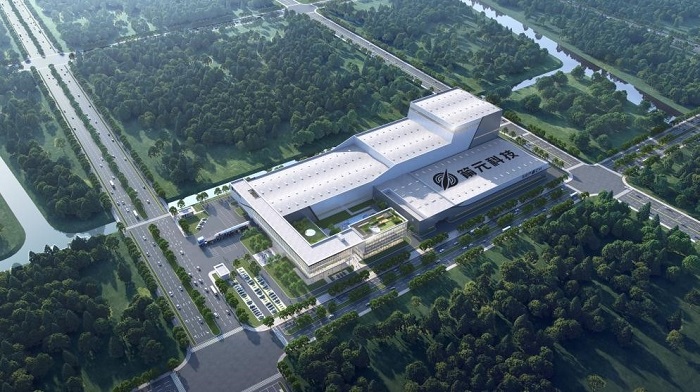
A rendering of Sepoch's large-scale liquid-fueled rocket assembly, testing, and reuse base in Qiantang district, Hangzhou. [Photo/Tide News]
A major step toward "Hangzhou rockets launching Hangzhou satellites" was taken on Jan 7, as Sepoch broke ground on its large-scale liquid-fueled rocket assembly, testing, and reuse base in Qiantang district, Hangzhou.
The project is both China's first production base dedicated to sea-recovered, reusable rockets and its first stainless-steel rocket super factory.
With a total investment of 5.2 billion yuan ($744.87 million), the facility will combine manufacturing, testing, recovery inspection, maintenance, and reuse, and is designed to produce up to 25 stainless-steel, methane-liquid oxygen rockets annually.
At the groundbreaking ceremony, Sepoch signed a payload cooperation agreement with Hangzhou-based satellite maker Star Vision, paving the way for locally built rockets to launch locally developed satellites. The unveiling of the Qiantang rocket and a Star Vision satellite signaled the launch of a coordinated rocket-satellite industrial chain in Hangzhou.
The Qiantang rocket stands 66 meters tall, has a liftoff mass of 575 metric tons, and can deliver up to 14 tons to low-Earth orbit. Its first stage is designed for up to 20 reuses, with a projected launch cost below 20,000 yuan per kilogram. The first rocket built at the base is expected to be rolled out by the end of this year, followed by its maiden flight and sea recovery.
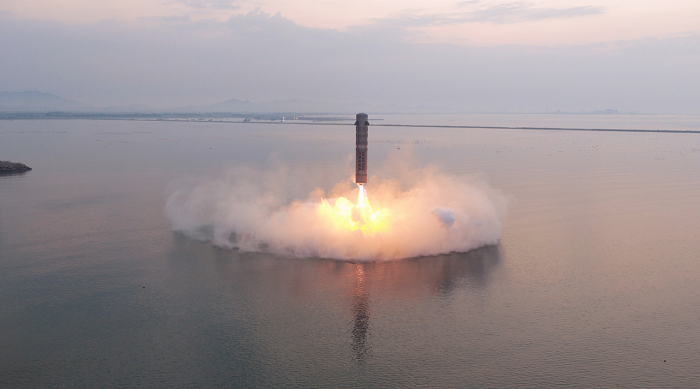
XZY-1, China's first methane-liquid oxygen stainless-steel rocket developed by Sepoch, hovers over the sea during a test flight. [Photo/Tide News]
-

Hangzhou-made exoskeleton named among China's top innovations
January 8, 2026
-
Hangzhou airport bonded zone passes inspection in just 84 days
December 25, 2025
-
Five Hangzhou initiatives recognized as global poverty reduction cases
December 22, 2025
-

Global content creators discover Hangzhou's tech magic
December 2, 2025