



Xi: Advance rigorous Party self-governance
Anti-graft: New methods to detect corrupt practices urged









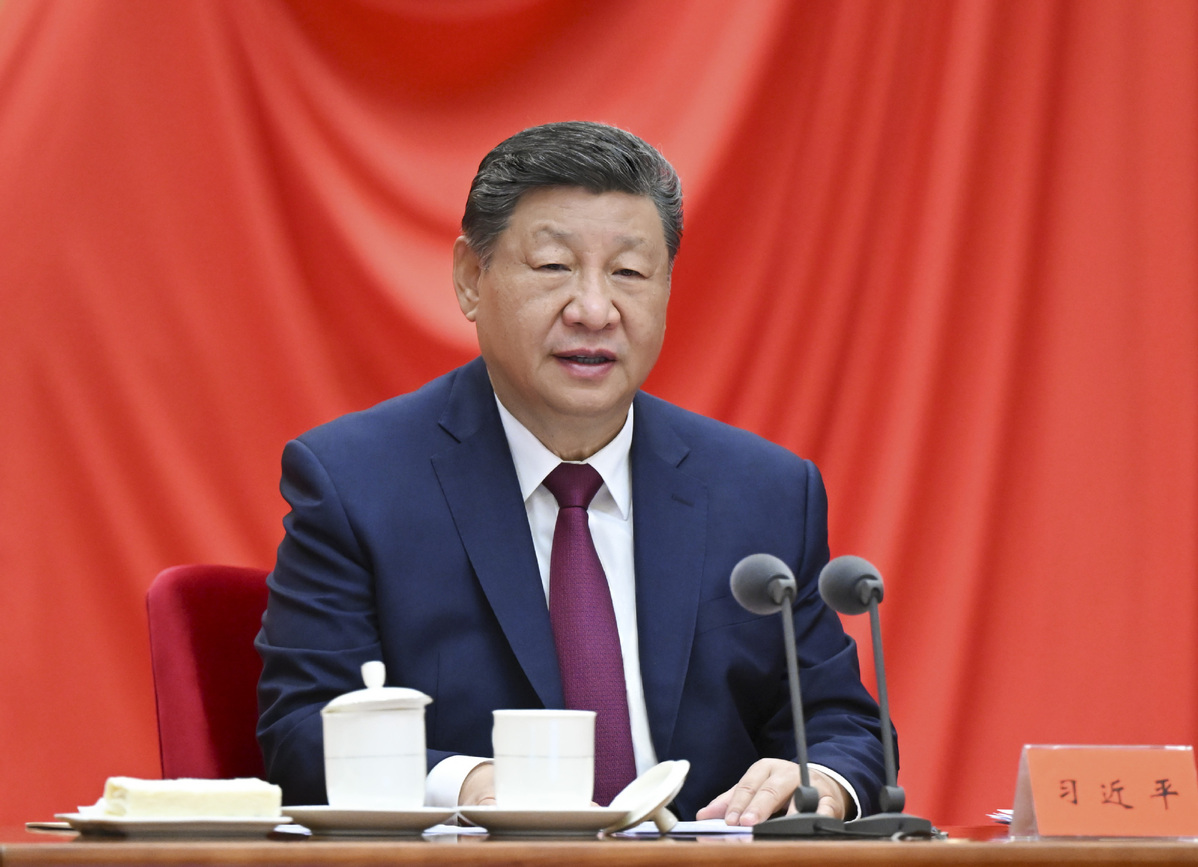
Xi Jinping, general secretary of the Communist Party of China Central Committee, called on Monday for advancing full and rigorous Party self-governance with higher standards and more concrete measures, highlighting that the battle against corruption is a major struggle that the Party cannot afford to lose and must never lose.
Xi, who is also Chinese president and chairman of the Central Military Commission, made the remarks while addressing the opening of the three-day fifth plenary session of the 20th CPC Central Commission for Discipline Inspection, China's top anti-graft body, in Beijing.
He urged efforts to confine power to an institutional cage in a more well-conceived and effective way, and press ahead with the anti-corruption drive with a clearer vision and stronger resolve, thereby providing a strong guarantee for achieving the goals and tasks of the 15th Five-Year Plan (2026-30) period.
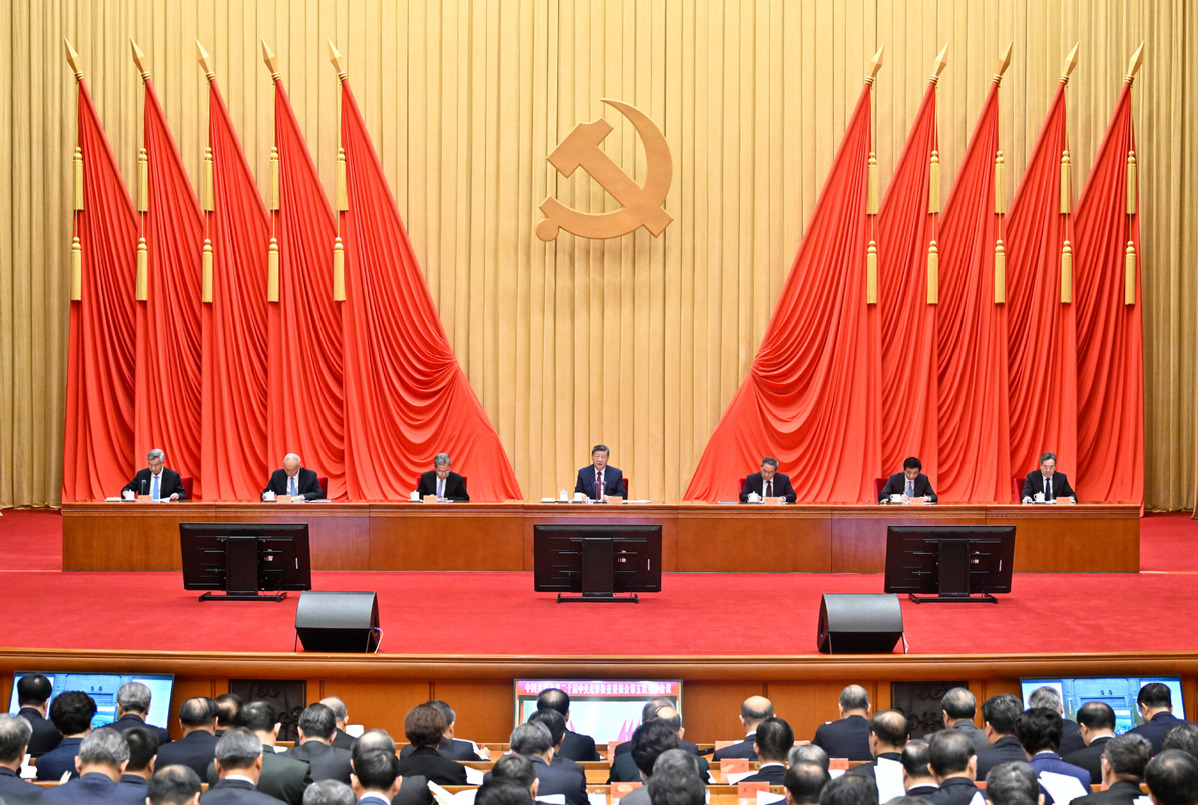
Reviewing anti-corruption efforts in the past year, Xi said that in 2025, the CPC Central Committee intensified efforts to improve Party conduct, uphold integrity and combat corruption, achieving notable results.
Efforts were made to maintain a tough stance against corruption and eradicate the breeding grounds and conditions for corruption, he said.
Xi emphasized that implementing the major decisions and plans of the CPC Central Committee is a fundamental requirement for upholding its authority and its centralized, unified leadership.
Party organizations at all levels and Party members and officials should implement the decisions and plans of the fourth plenary session of the 20th CPC Central Committee with concrete actions, he said.
Noting the importance of strengthening scrutiny over the exercise of power, Xi said that confining power to an institutional cage is an important task in exercising full and rigorous Party self-governance in the new era.
He underlined the need to improve the institutional framework while strengthening strict enforcement of related law and regulations.
All are equal before the law and regulations, compliance with them admits no privilege, and enforcement of the law and regulations allows no exception, he said, urging leading officials to take the lead in enforcing the law and regulations.
Xi pointed out that corruption is a stumbling block and an obstacle in the development process of the Party's and the country's undertakings, emphasizing that the fight against corruption is a major battle that the Party cannot afford to lose.
He said the current anti-corruption situation remains grave and complex, and the task of eliminating the soil and conditions breeding corruption remains arduous. It is essential to maintain a firm stance to leave corrupt officials with no place to hide, he added.
Xi underscored the need to stay attuned to new trends and features of corruption, and urged efforts to innovate methods and approaches, promptly detect and accurately identify corrupt practices, and effectively address all forms of corruption, in order to continuously enhance the penetrating power of anti-corruption efforts.
He also urged strengthening coordination among all forms of oversight to advance integrated governance through whole-process collaboration, and called for sustained efforts to forge a loyal, upright and responsible disciplinary inspection and supervision force that dares to and is good at fighting corruption.
Since the 18th CPC National Congress in 2012, China has maintained strong momentum in its anti-corruption drive, which remains a key priority as the Party steers the country forward on the path toward modernization.
Over the past year, China's rigorous anti-corruption campaign continued relentlessly, with discipline inspection and supervision authorities vowing "no pause or retreat" in their sustained efforts to root out graft and misconduct.
Emphasis was placed on reinforcing political oversight, thoroughly studying and implementing the guiding principles of the CPC Central Committee's eight-point decision on improving Party and government conduct, decisively fighting corruption and undesirable work styles, rectifying misconduct affecting the public, and completing inspections across all provinces, autonomous regions and municipalities.
The crackdown on corruption also made continuous progress in areas affecting the daily lives of ordinary people. From January to November, 536,000 low-ranking officials were disciplined, with around 20,000 referred for prosecution, according to information released on the website of China's top anti-corruption authorities.
The country's anti-corruption watchdogs kept a close watch on key senior officials and optimized inspections to ensure power operates under strict oversight.
During the entire year, 65 centrally administered officials, mostly at the ministerial level or above, were placed under investigation for corruption, with nine of the cases initiated in December alone.
Those detained or under investigation included top officials in charge of China's provinces and cities, senior administrators in ministries, top financial regulators and bankers, senior executives of State-owned enterprises, and heads of prestigious universities.





- Viral app bares 'safety anxiety' among solo dwellers
- Research suggests causes of moon's two different 'faces'
- AI software under lens for facilitating porn talk
- Commercial recoverable spacecraft completes test flight in China
- Test launch marks push in reusable space vehicles
- Smart tech to unify healthcare and insurance data