



No signs of conflict ending
Differences between Moscow, Kyiv remain, making prospects for deal unlikely









Limited outcomes
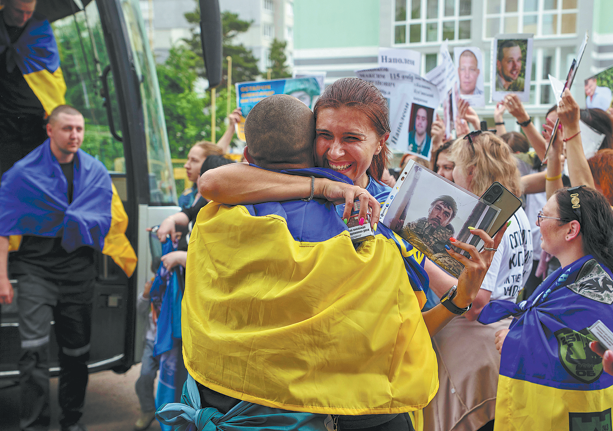
The US president's shift in stance toward the conflict injected new momentum into efforts to pursue a negotiated resolution. Russia and Ukraine resumed talks in Istanbul that had been suspended since April 2022, but the discussions yielded only limited outcomes, including exchanges of prisoners of war and the remains of the deceased, Wan said.
Although the Alaska summit in August between Russia and the US laid some groundwork for consensus, shifting from demanding a ceasefire as a precondition for talks to focusing on addressing the root causes of the conflict and broader European security concerns, Trump later abruptly altered course by imposing a new round of sanctions on Russia.
Europe aligned with Washington's approach, adopting its 19th round of sanctions against Russia. The European Commission also pushed for legislation to confiscate frozen Russian foreign exchange reserves and assets, but ultimately failed.
"Despite these diplomatic moves aimed at accelerating an end to the conflict, no substantive progress has been achieved," Wan added.
The shift in the US position has not led to a swift resolution of the crisis but has instead introduced new uncertainties. The Russia-Ukraine conflict is increasingly evolving into a long-term structural contest with profound implications for regional and even global order, Li from the CASS said.
Looking ahead, the Ukraine crisis may witness fragile ceasefires emerging from multiple rounds of negotiations in 2026. However, reaching a comprehensive peace agreement through a formal political document will remain extremely difficult, and the crisis is likely to persist, she said.
In the year 2026, two key factors will most decisively shape the Russia-Ukraine situation, Wan said.
"First, under pressure from US midterm elections, Trump's pursuit of a swift 'deal' is likely to yield little, potentially prompting him to intensify pressure on Russia and further strain US-Russia relations. Second, developments within Ukraine, particularly the intensification of internal political struggles, will play a significant role," he said.
Intense fighting on the Russia-Ukraine battlefield is likely to continue, with Russian forces potentially retaining the initiative. As battlefield dynamics and the balance of power gradually shift, Ukraine may adopt more flexible countermeasures, while European nations could become more actively involved in the negotiation process, he added.
"However, they may seek to reshape the framework terms of European security guarantees in ways that Russia finds unacceptable. This would further complicate and prolong the negotiation process, leaving the underlying conflict fundamentally unresolved," Wan said.
Agencies contributed to this story.










