


US hard-line stance sowing divisions
Administration's policies 'causing chaos' one year on









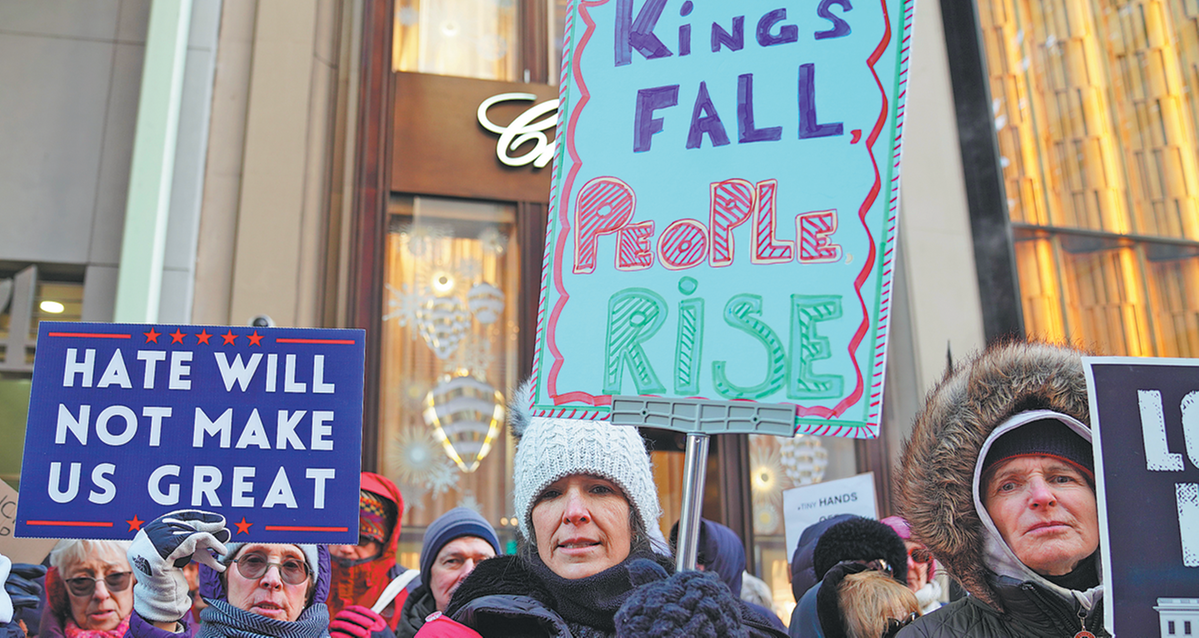
On the first anniversary of his second term, US President Donald Trump held a news conference at the White House on Tuesday, covering issues ranging from foreign policy and national defense to the economy and his own political record.
Experts said that the current US administration has pursued hardline policies both at home and abroad, causing chaos and conflicts around the world.
During the news conference that lasted for nearly two hours, Trump listed 365 achievements since he was sworn in on Jan 20 last year.
Immigration and crime dominated the remarks. He spoke highly of US Immigration and Customs Enforcement agents, especially those currently deployed in Minnesota.
He spent the first 15 minutes displaying mug shots of Minnesota residents who he said were in the country illegally and had been arrested for serious crimes. After he finished, he tossed the pictures onto the floor next to him.
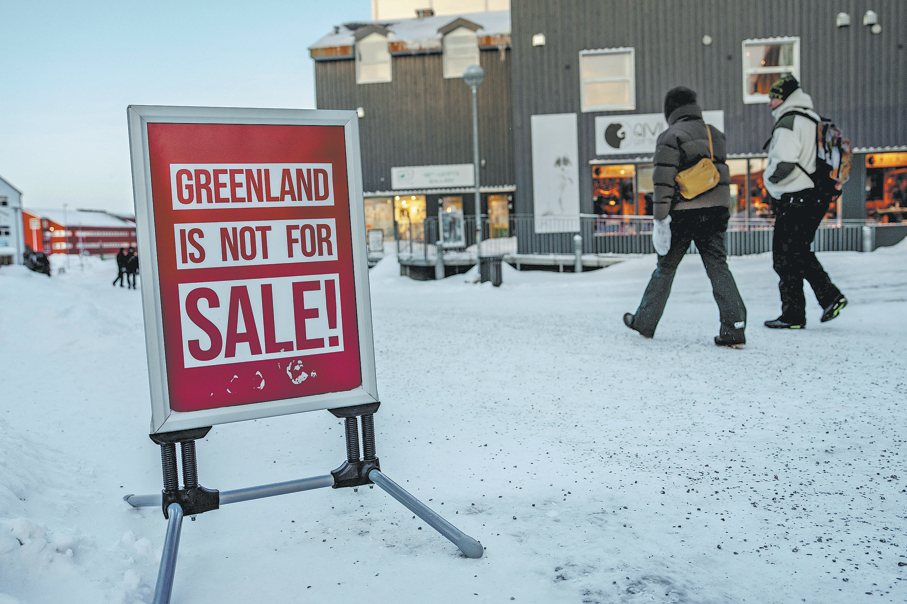
The president reiterated his claim of ending eight foreign wars. He has repeatedly said that he deserves the Nobel Peace Prize, which he did not win last December, and has cited as one reason for his push to acquire the Danish territory of ? ?Greenland.
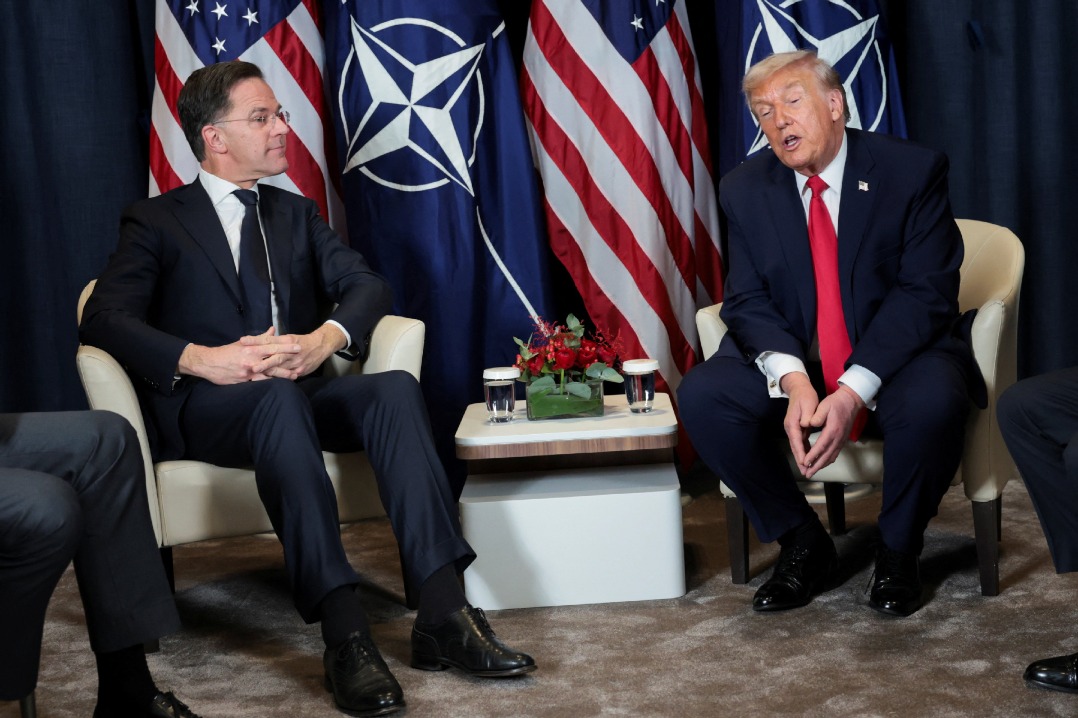
Asked how far he would be willing to go to acquire Greenland, Trump said only, "You'll find out." He conversely predicted there could be a deal in the making. "I think that we will work something out where NATO is going to be very happy, and where we're going to be very happy," he said, without providing specifics.
Trump said he'd been encouraged that NATO had increased military spending, but he also belittled the alliance, saying other members may not protect Washington's interests.
European Commission President Ursula von der Leyen pushed back against the White House's announcement that, starting in February, a 10 percent import tax will be imposed on goods from eight European nations that have rallied around Denmark over Greenland.
On Tuesday, Von der Leyen called the planned new tariffs a "mistake" and questioned Washington's trustworthiness.
French President Emmanuel Macron said the EU could retaliate by deploying one of its most powerful economic tools, known colloquially as a "trade bazooka".
The US Supreme Court is currently reviewing the legality of the use of tariffs as a foreign policy tool, a decision that could affect the White House's ability to deploy them as leverage to pressure Europe into backing the Greenland ambitions, according to a report in The Guardian.
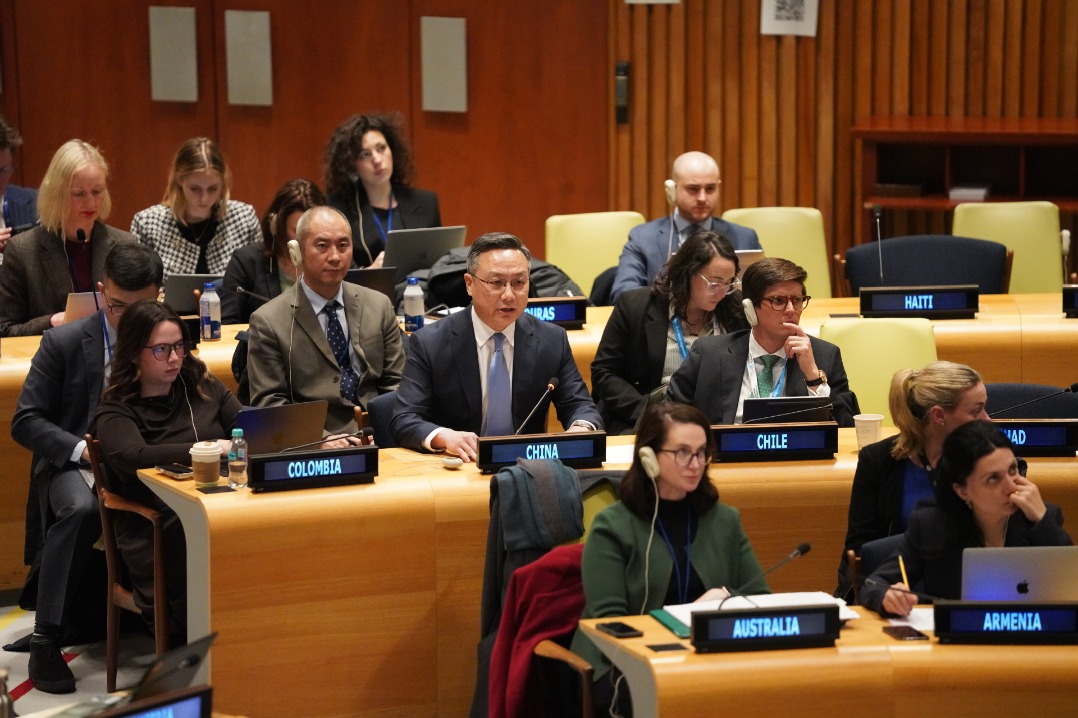
Trump also said the UN should continue because of its potential, but the Board of Peace he proposed "might" replace the organization.
The Board of Peace was originally proposed as part of the US-drafted 20-point peace plan for the Gaza conflict and help reconstruct the strip.
The Chicago Council on Global Affairs has labeled the US as "a major, if not the only, driver in this global disruption" over the past year, as "the administration did not abandon its key alliances, but it also made no clear indication that it would work toward a shared agenda".
'America First' banner
One year after Trump's return to the White House, the US government has continued to pursue an unpredictable foreign policy under the banner of "America First", advancing US interests while sowing turbulence and uncertainty across the world, experts said.
Chen Hong, director of the Asia Pacific Studies Center at East China Normal University in Shanghai, said that the current US administration, driven by narrow self-interest, is seeking to forge a new form of hegemonic politics, a course that risks eroding its global network of alliances and partnerships.
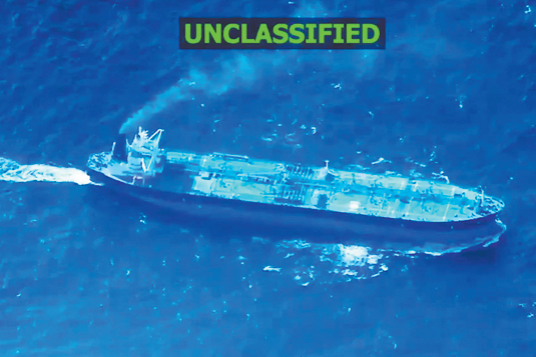
From its military actions in Venezuela to its open ambitions for Greenland, the current US administration has challenged the sovereignty and territorial integrity of other countries, undermining the international political order established after World War II, Chen said.
"The US has begun openly pressuring even its allies, prompting them to question whether Washington's security commitments could become bargaining chips in political transactions. This has undermined US credibility and will accelerate Europe's efforts to reduce its dependence on Washington," he added.
The US risks hollowing out NATO, and European members will have to diversify their security options amid growing doubts about US guarantees, strengthen their own capabilities and accelerate integrating European defense, said He Yun, a researcher at the Belt and Road Strategy Institute of Tsinghua University.
She said that the current US administration has once again begun withdrawing from key international organizations and multilateral agreements, such as the World Health Organization and the Paris Agreement, while using tariffs as a policy tool. These moves will deal a severe blow to multilateral mechanisms, she said.
"In the short term, the US withdrawal will create gaps in funding, personnel and other resources for these international organizations. In the long term, it will prompt other countries to reassess the value of joining such bodies, shifting international engagement toward transactional, power-based dynamics rather than collective adherence to multilateral norms," she said.
Under the current administration, Washington appears to be systematically retreating from the international order it once helped build, said Zamir Ahmed Awan, founding chair of the Global Silk Route Research Alliance, a think tank in Pakistan. This will disturb global governance, international law and the US' own standing in the world, he added.
"The US administration has repeatedly signaled that diplomacy and international law are subordinate to coercion, deterrence and the projection of 'strength', which has violated the United Nations Charter and undermined international peace and stability," he said.
In response to the US' current turn toward unilateralism and transactional diplomacy, the world is likely to move further toward bloc formation and regionalization, He Yun predicted. She added that countries will strengthen regional organizations to hedge against growing uncertainties in the international system and reduce reliance on a single hegemonic center.
Agencies contributed to this story.
liujianqiao@chinadaily.com