


Multilateralism offers Africa stability










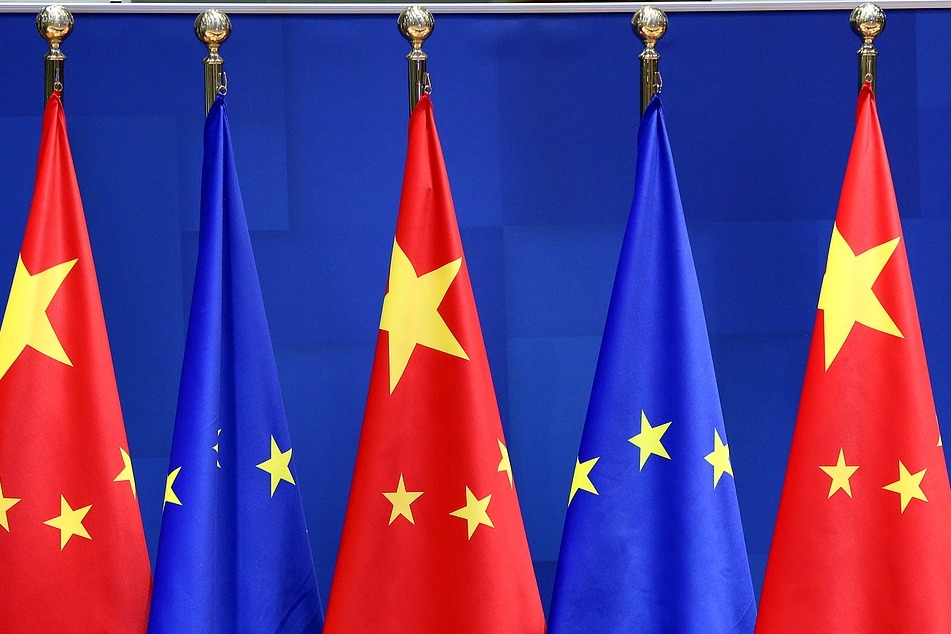
As the World Economic Forum convenes in Davos under the theme "A Spirit of Dialogue" amid heightened geopolitical tension, rising unilateralism and trade protectionism, African experts and policymakers have voiced support for China's advocacy for multilateralism and an open, inclusive global economy.
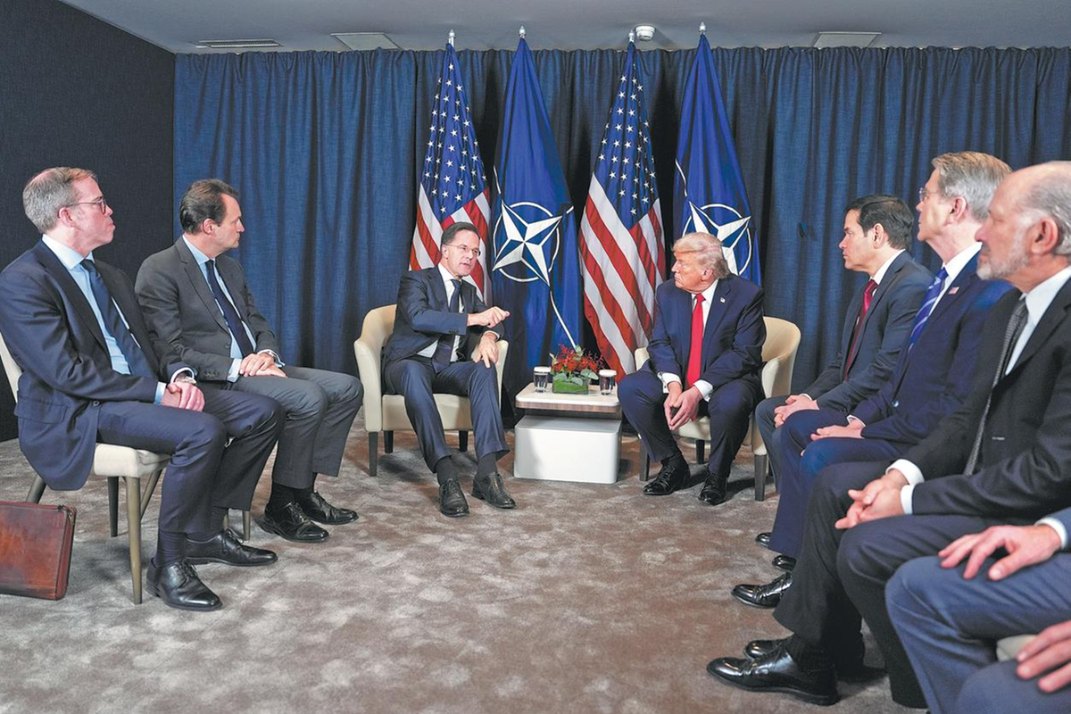
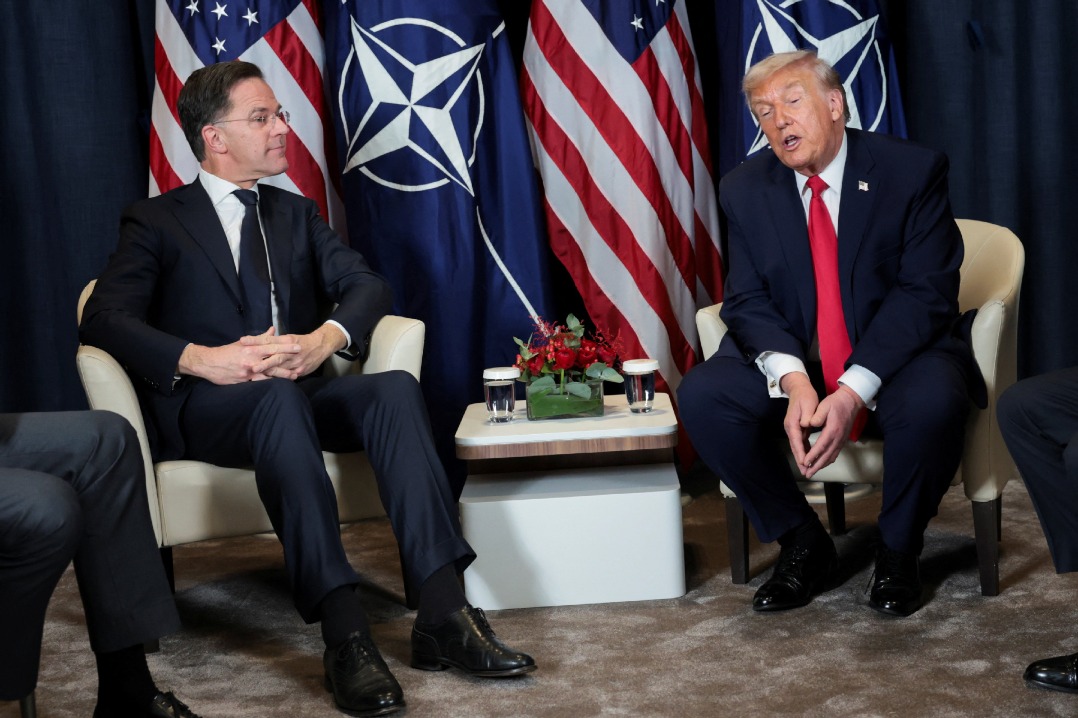
As Africa and many other parts of the world feel the chill of a more inward-looking economic posture — marked by US trade tariffs, tightening visa policies and scaling back overseas assistance, Africans are increasingly viewing China's multilateral economic approach as a stabilizing force that broadens the continent's development options.
With global economic rules increasingly contested, experts said Africa's growing convergence with China on multilateralism reflects not ideology, but necessity.
Carlos Lopes, a professor at the Nelson Mandela School of Public Governance at the University of Cape Town, said: "China's advocacy for multilateralism and an open global economy has real weight for African countries, not as an ideological alignment but as a counterbalance to exclusionary economic blocs and unilateral decision-making that marginalizes African interests."
He noted that Africa's priorities — preserving policy space, expanding infrastructure, accelerating industrialization and securing long-term development finance — closely align with China's emphasis on openness and development-oriented cooperation.
"At a time of economic fragmentation, China's position supports African demands for reform of international financial institutions, open trade and recognition of Africa as an active economic actor rather than a peripheral stakeholder," Lopes said.
Analysts said this alignment is increasingly visible in global forums such as Davos, where African leaders are reinforcing calls for inclusive growth models rather than externally imposed policy prescriptions.
In a speech on Tuesday at the ongoing WEF, Chinese Vice-Premier He Lifeng called for free trade, multilateralism, dialogue and inclusive growth.
Technological innovation
China will continue to expand opening-up, accelerate scientific and technological innovation, and promote green development for common prosperity, he said.
Olusoji Ajao, founder and executive director of Afrocentric Masterclass in Nigeria, a company that focuses on African culture, history, and perspectives, said China's approach resonates with Africa because it is framed around cooperation rather than conditionality.
"China's support for multilateralism and an open global economy shows it is about cooperation, not competition," Ajao said, adding that Africa's growing alignment with China is also rooted in economic complementarity.
"In many ways, our destinies are intertwined — China is the world's manufacturing hub, while Africa is an expanding market. This creates space for mutual growth rather than zero-sum rivalry," he said.
Ajao added that Africa's openness to China does not exclude other global partners, but reflects a pragmatic choice to engage with countries that support inclusive development and trade access.
As protectionist pressures mount, experts argued that China's zero-tariff policy for goods from 53 African countries and continued support for multilateral institutions offer African economies breathing room to diversify exports, expand manufacturing and integrate into global value chains.
However, both experts stressed that external partnerships can only succeed if Africa also strengthens internal cooperation.
While forums like Davos provide visibility, Lopes said Africa must use them strategically to reinforce multilateral alliances that expand development space rather than restrict it.
"The value of dialogue lies in structural change," he said. "Without open trade, development finance and inclusive governance, dialogue offers little substance."
The assessments come as the WEF's 2026 annual meeting kicked off on Monday, with participants calling for constructive dialogue as the world faces mounting economic and geopolitical uncertainties.