Two Chinese sites listed on world's 100 most endangered
Updated: 2007-06-12 09:17
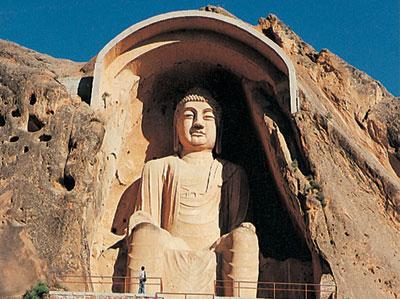
The Xuminshan grottos lie on the eastern side of Mount Xumi. The grottoes were adorned with statues, wall paintings, and inscribed stelae during a 600-year period between the fourth and tenth centuries A.D.
Although the Xumishan Grottoes have been designated a National Level Cultural Relic Protected Site in China, they face imminent danger due to natural causes, including wind and sand erosion, water damage, and earthquakes.
Previous emergency conservation measures, including reconstruction of some elements in concrete, also need to be reconsidered and possibly reversed.
China's State Bureau of Cultural Relics is eager to protect the site and hopes that placement on the 2008 Watch List will not only increase public awareness of the importance of Xumishan, but also encourage international efforts to preserve this magnificent, yet little-known site, WMF said.
The 2008 Watch List includes a number of sites threatened by global warming, among which are Sonargaon-Panam City, Bangladesh, Leh Old Town, Ladakh, India and New Orleans, Louisiana, United States.
The cultural heritage sites of Iraq are on the 2008 Watch List as a whole.When asked about whether it is possible to protect the Iraqi cultural heritage during the warfare, WMF President Bonnie Burnham said she did not personally think Iraq is out of reach, and her organization was working along with the local Iraqi government on this.
The Bamiyan Buddhas, Afghanistan destroyed in 2001 was listed this year. Burnham's explanation was though the colossal Buddhas had gone, the remains were still a main tourist destination.
 | 1 | 2 | 3 |  |

