


No signs of conflict ending
Differences between Moscow, Kyiv remain, making prospects for deal unlikely









The Russia-Ukraine conflict, which erupted in February 2022, has gradually shifted from direct battlefield confrontation to a more complex phase over the past year marked by maneuvering over ceasefire terms, post-conflict arrangements and the responsibilities of major powers.
Deep and persistent differences remain between Russia and Ukraine, with core contradictions proving difficult to bridge, making the prospect of a mutually acceptable "peace agreement" in the near term unlikely. Even so, negotiations and contacts between the two sides are expected to continue in some form, leaving the outlook for peace uncertain, experts said.
Amid sporadic ceasefire pledges and protracted hostilities in 2025, Russia and Ukraine have engaged in negotiations aimed at ending the conflict, but none has resulted in a lasting halt to the fighting.
A limited 30-day suspension of attacks on energy infrastructure that began in March, along with an Easter truce in April, saw both sides accuse each other of violations.
Three rounds of direct talks between Moscow and Kyiv from May to July, the first since negotiations were suspended in March 2022, failed to produce a major breakthrough, despite limited outcomes such as prisoner exchanges and the return of the remains of fallen soldiers.
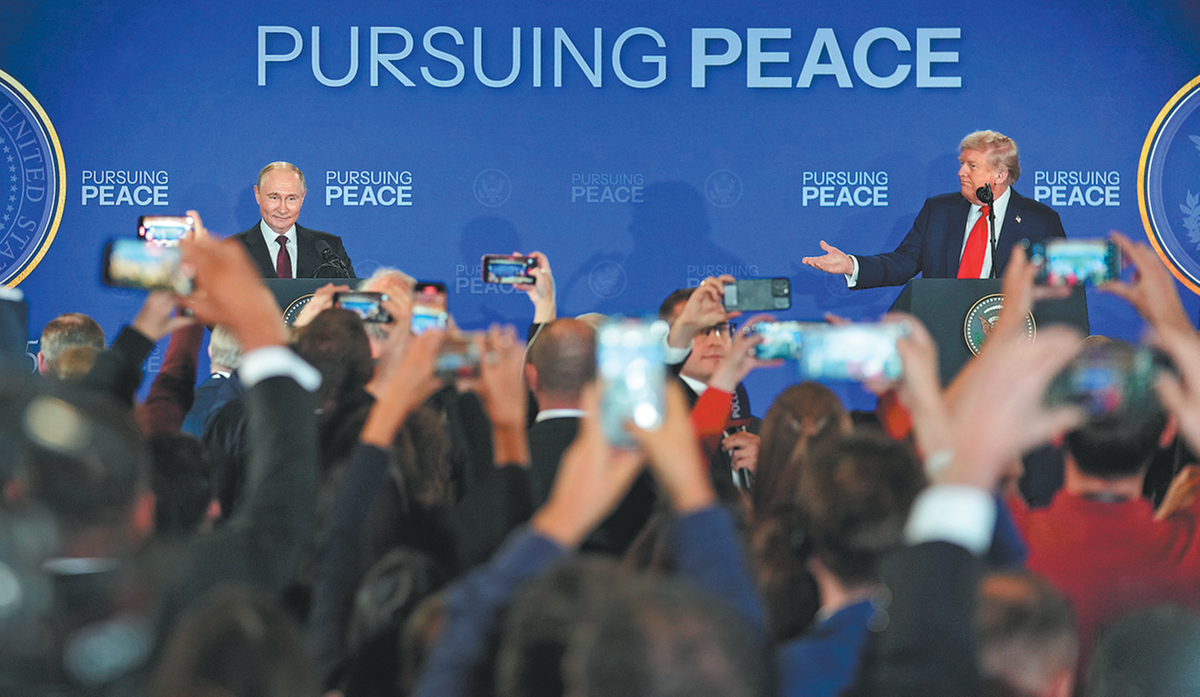
Russian President Vladimir Putin and his US counterpart, Donald Trump, met on Aug 15 in the US state of Alaska, but the talks produced no concrete agreement, as Ukraine and several European countries expressed concern over being sidelined.