


EU, Mercosur sign free trade agreement









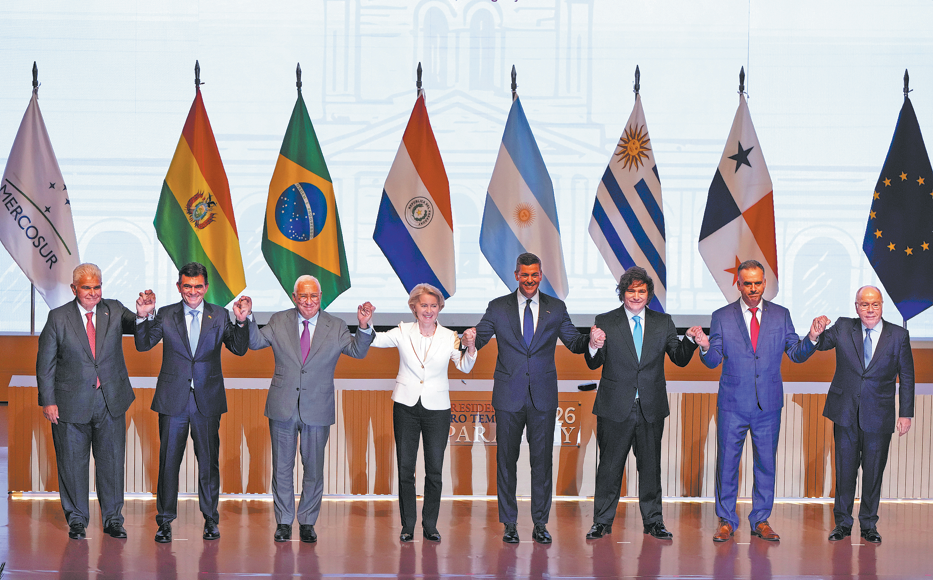
ASUNCION, Paraguay — The European Union and the Mercosur bloc of South American countries formally signed a long-sought free trade agreement on Saturday, which they hailed as sending a message at a time of tariff threats, global uncertainty and protectionism.
The agreement aims to reduce tariffs and expand trade between the two blocs and now awaits approval by the European Parliament, as well as ratification by the legislatures of Mercosur member states Argentina, Brazil, Paraguay and Uruguay.
The signing ceremony in Paraguay's capital, Asuncion, caps more than a quarter-century of torturous negotiations. It was attended by senior EU and Mercosur officials, including European Commission President Ursula von der Leyen and European Council President Antonio Costa, together with the foreign ministers of Argentina, Brazil, Paraguay and Uruguay.
Paraguayan President Santiago Pena, whose country holds the Mercosur presidency, thanked leaders from both blocs for their efforts, calling Saturday "a truly historic day".
Von der Leyen said the pact sends "a very strong message" in favor of fair trade and long-term economic cooperation.
"This agreement is a firm commitment to openness, exchange and cooperation, as opposed to isolationism, unilateralism and the use of trade as a geopolitical weapon," said Costa.
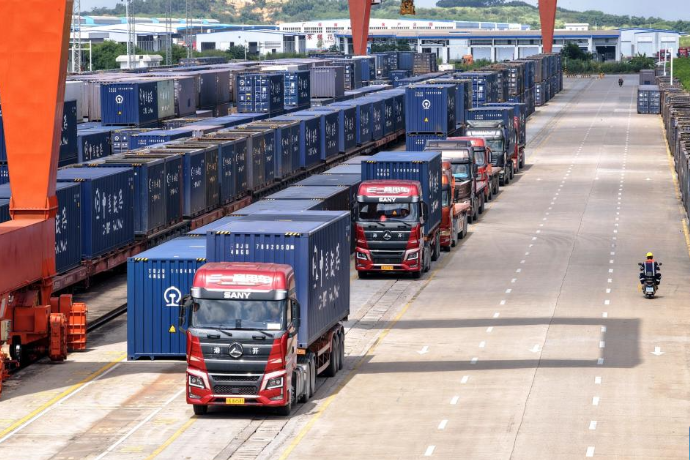
The deal covers a combined population of more than 700 million people. According to the European Commission, the EU's largest trade deal to date would eliminate more than 4 billion euros ($4.65 billion) in duties on EU exports each year.
EU exports to Mercosur mainly include machinery, chemical products and transport equipment, while Mercosur exports are largely agricultural goods, minerals and forestry products.
Negotiations on the pact have stretched about 25 years, repeatedly stalling and resuming amid shifting political coalitions, disputes over environmental safeguards in South America, and opposition from parts of Europe's farm sector.
The treaty, which eliminates tariffs on more than 90 percent of bilateral trade, is expected to come into force by the end of 2026, media reported.
According to EU estimates, European exports to Mercosur are expected to rise by 39 percent, while Mercosur exports to the EU could increase by 17 percent.
Agencies - Xinhua