Century-old TCM pharmacy pivots to become fashionable wellness brand









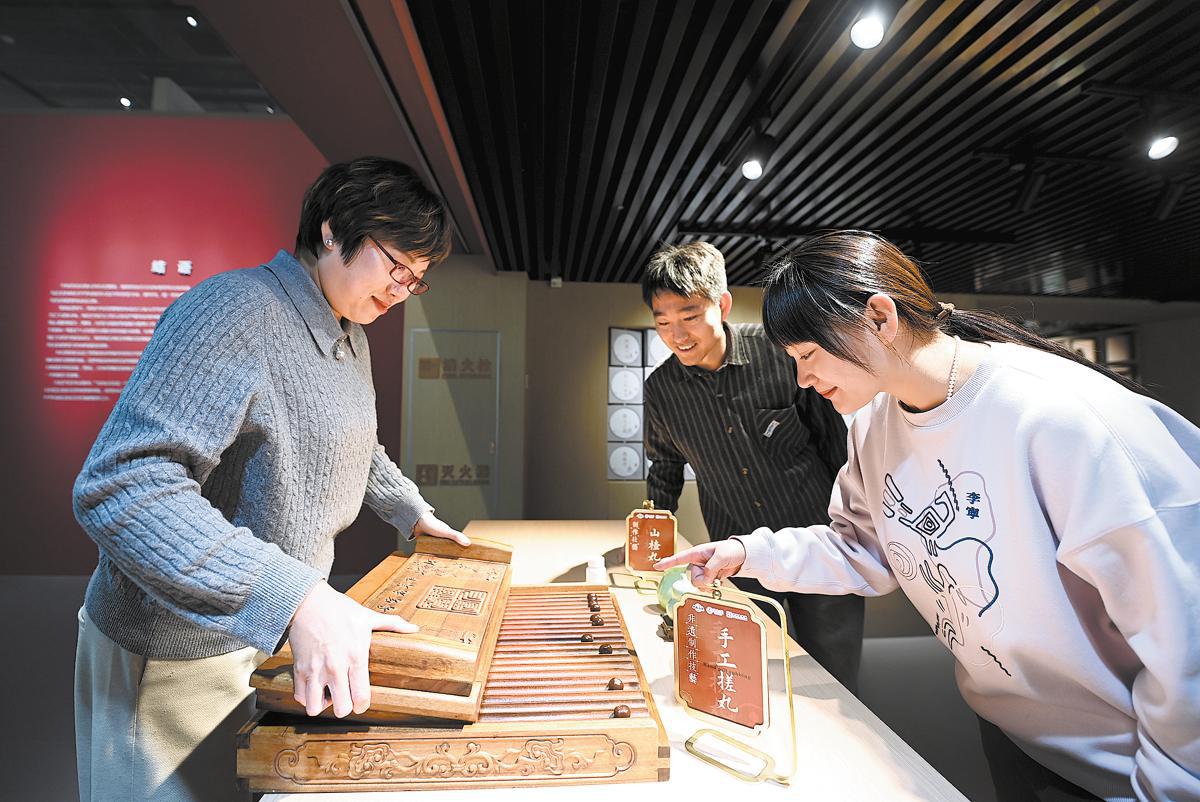
In a major strategic overhaul, the 112-year-old traditional Chinese medicine giant Darentang is repositioning itself as a leader in both high-tech geriatric care and contemporary lifestyle wellness.
The Tianjin-based firm, which traces its lineage back to the 500-year-old Yue Family Old Pharmacy and once served as an imperial supplier to the Qing Dynasty (1644-1911), is bridging the gap between ancient pharmaceutical heritage and the demands of today's economy.
By combining rigorous clinical research into cognitive health with the trendy "punk wellness" movement, the company is ensuring its survival in an increasingly competitive global market.
At the heart of Darentang's modern transformation is a high-stakes move into the biotech sector.
In collaboration with the Chinese Academy of Engineering, the company has conducted extensive research into its historic Qinggong Shoutao Pills. Once a guarded imperial longevity formula for Emperor Qianlong, the pills are now being marketed as a scientifically validated treatment for mild cognitive impairment.
Recent studies led by CAE academician Tian Jinzhou have demonstrated that the formula can significantly enhance daily living abilities and potentially prevent the progression of Alzheimer's disease. This clinical validation has transformed Darentang from a purveyor of "secret recipes" into a critical player in China's 30-trillion-yuan ($4.31 trillion) silver economy.

Simultaneously, the brand is courting a younger generation through the expansion of its health-preserving workshops and wellness cafes.
These venues tap into the "punk wellness" trend, where stressed urban professionals look to offset their fast-paced lifestyles with medicinal ingredients.
Darentang has reinvented its image by integrating red dates, goji berries and ginseng into cafe lattes and bakery goods, making traditional Chinese medicine more approachable and trendy.
These modern retail spaces serve as "experience centers" that the brand hopes will move it out of the sterile pharmacy environment and into the daily routines of Gen Z consumers.
To support this dual-track strategy, Darentang is utilizing its immense cultural capital and intellectual property.
With over 1,400 patents and five techniques inscribed on China's National Intangible Cultural Heritage List, the company is using its "soft power" to educate the public.
Its "Guardians of TCM Culture" campaign has expanded across multiple provinces, revitalizing its 18 historical branch stores and establishing new science education bases in modern industrial parks.
"These activities help guide students to experience the charm of TCM culture up close and deepen their recognition and confidence in fine traditional Chinese culture," said Jiao Hongbin, deputy head of the publicity department of Nankai District Committee. "In the future, we will further cooperate with more schools in the region to carry out such TCM popularization activities, so that more young people can become observers, enthusiasts and inheritors of TCM culture."
Through community outreach and interactive museums, the brand is fostering a new generation of TCM enthusiasts, ensuring that its five centuries of wisdom resonate with the digital-first society of today.
"The exhibition area is full of creative designs. The hundreds of patent certificates on the spherical wall and various neatly arranged medicinal material specimens in the corridor are truly stunning," said visitor Liu Wenchao. "After the visit, I also tasted the health-preserving tea, which is both delicious and healthy. The experience was amazing."
Zhang Haoyu contributed to this story.
yandongjie@chinadaily.com.cn






- Century-old TCM pharmacy pivots to become fashionable wellness brand
- Agri sector reaps fruit of tech advances
- Central government appoints new foreign ministry commissioner in Macao SAR
- Winter camp solidifies cross-Strait youth ties
- Old architectural marvel in Beijing back in public view
- At 30, Beijing West rail station still on the fast track