


AI as catalyst for Pakistan-China media integration










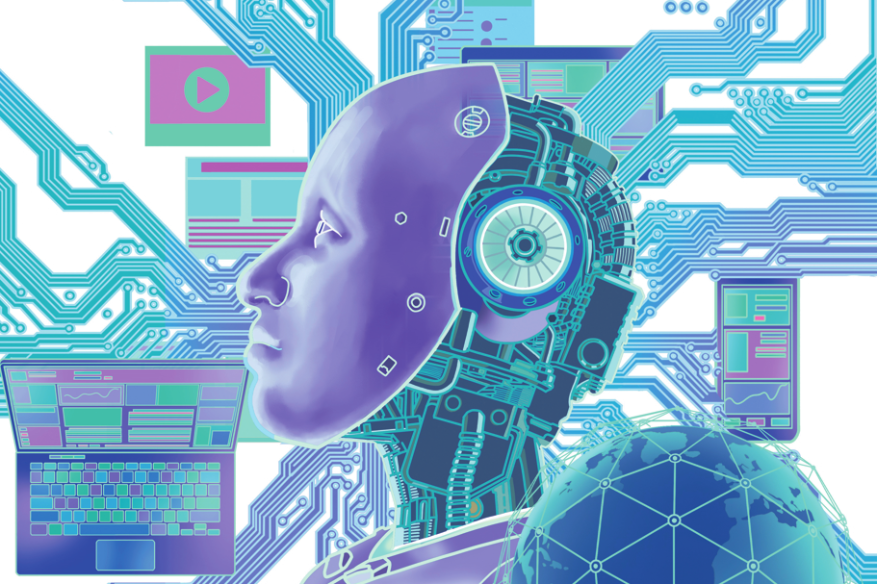
The development of Artificial Intelligence (AI) is quickly changing the global media environment, redefining the process of information production, distribution, and consumption. As the case of a strategic partnership between Pakistan and China, AI offers a special chance to work out the integration of their media ecosystems again and ensure sound bilateral relations in the sphere of economy, culture, technology, and people-to-people exchanges. As both countries go through a digital transformation, AI-based media collaboration could become a strong pillar of cooperation between them. Among the most direct and radical changes that AI brings is the overcoming of linguistic and communication barriers.
The development of AI-enhanced translation, speech recognition, and real-time subtitling solutions means that it is now possible to share an instant and accurate translation of journalistic content, documentaries, interviews, and breaking news across languages — allowing Chinese and Pakistani media specialists to communicate effortlessly. This not only enhances efficiency, but also helps in the sense that stories can be told in a subtle and culturally sensitive way.
Consequently, rather than relying on third parties, citizens of the two countries will be able to get information directly from the source, leading to a better understanding between them.
Another way AI can boost joint journalistic efforts between Pakistani and Chinese media is the intelligent data analysis it offers. Together with AI-driven tools, journalists can collectively research complicated topics like economic development, climate change, population health, and the interconnectedness of regions. Additionally, AI can enable journalists to work with large data volumes, discover trends, and create more believable and effective evidence-based stories. Data-driven and collaborative reporting enhances the public's confidence and points to common problems and solutions, which support the notion that Pakistan and China are not only infrastructure and trade partners, but also knowledge-making ones.
Media platforms that are AI-enabled can be crucial in facilitating investment, trade, and industrial partnership in the context of economic cooperation. The smart content recommendation systems are able to deliver business news, investment opportunities, and updates on policies to specific audiences in both nations. With AI analytics, media outlets will be able to better understand the interests of their audience and introduce information on other spheres of life, like agriculture, manufacturing, energy, the digital economy, and logistics in a more captivating and accessible format. This specific information sharing helps in economic diplomacy as it relates to entrepreneurs, investors, and policy makers in a more effective manner.
The possibility of AI to overcome misinformation and present balanced information is also relevant — another critical function in a currently disjointed information landscape.
With fact-checking algorithms, sentiment analysis, and content verification, Pakistani and Chinese media may collaboratively fight fake stories and disinformation that hamper bilateral collaboration. It is especially imperative when it comes to large scale projects like the China-Pakistan Economic Corridor (CPEC) and connectivity projects that are usually misrepresented. Credible media reports based on facts and openness aid in influencing the educated population's opinions and protect the integrity of bilateral efforts.
One more sphere in which AI-facilitated media collaboration can be beneficial in the long term is cultural exchange. Smart curation of content and online narration platforms enable media agencies to showcase cultural heritage, customs, and modern social life using new forms of innovation like immersive video content, virtual exhibition, and interactive documentaries. With such AI-improved cultural products, it will be easier to reach younger audiences, pique their curiosity, and foster their interest in other cultures — which will enhance emotional engagement between Pakistani and Chinese people and humanize bilateral relations.
Another potential dimension is education and capacity building in media. The use of joint AI-based training programs, virtual newsrooms, and digital journalism platforms can assist the journalists of both countries in improving their competencies in data journalism, multimedia production, and the ethical use of AI. Media professionals will have an opportunity to learn about the experiences and best practices of other professionals through institutional collaboration and exchange programs that are facilitated through smart learning platforms. The common capacity building enhances institutional linkages and makes media cooperation sustainable in the long term. Additionally, media collaboration through AI can assist in cooperation in new areas, such as healthcare, disaster management, and environmental protection.
AI-driven media systems can deliver timely, precise, and localized information, which can enhance more efficient government and community response to the public health crisis or natural disaster. Media communication coordination promotes cooperation in crisis management and makes it clear to ordinary citizens that bilateral cooperation is not an empty form of expression.
Notably, the idea of the inclusion of AI into the Pakistani and Chinese media collaboration is consistent with the overall perspective of mutual development and innovation. The two countries have also focused on digital transformation as a factor that propels growth in the future. Pakistan and China can collaboratively develop standards of responsible use of technology, ethical reporting, and inclusive digital growth by collaborating in AI-enhanced media. This collaboration sends a good message to the global society regarding the positive contribution of technology in promoting dialogue — not division.
To sum up, Artificial Intelligence is not only a technological tool but it is a strategic facilitator of more intensive media interdependentness and bilateral relations between Pakistan and China. Through communication improvement, better journalistic standards, counteracting fake news, economic collaborations, and cultural connections, AI enables media to act as a mediator between two cultures. With Pakistan and China still developing their holistic relations, AI-supported media cooperation can become a key to strengthening trust, enhancing collaboration on all levels, and establishing a common future of understanding, innovation and mutual benefit.
The writer is a director China Desk with Lord Media Network and associated with School of Public Policy and Management at Tsinghua University, Beijing.
The views don't necessarily reflect those of China Daily.
If you have a specific expertise, or would like to share your thought about our stories, then send us your writings at opinion@chinadaily.com.cn, and comment@chinadaily.com.cn.