
The China Story
at your Fingertips
OPEN

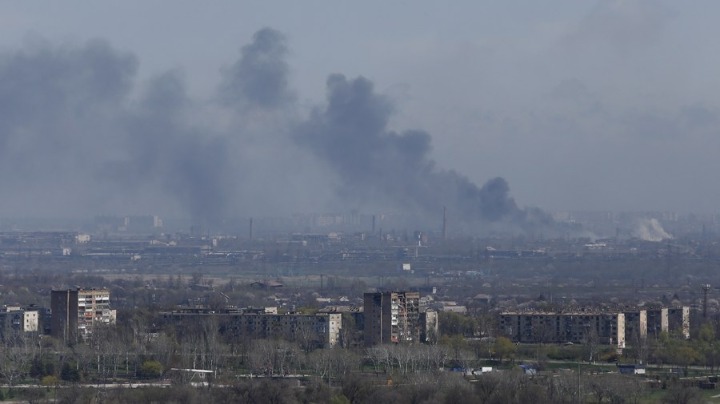
Russia's President Vladimir Putin says his country will continue its yearlong "special military operation" in Ukraine, and he accused the US-led NATO alliance of fanning the flames.
Russia-Ukraine conflict would have cost world economy $1.6 trillion in 2022, according to a study published by the German Economic Institute.

HEFEI - Dialogue and negotiation are the only solutions to the Ukraine crisis, Chinese State Councilor and Foreign Minister Wang Yi said Thursday.
Wang made the remarks during a press briefing following foreign minister-level meetings on Afghanistan, which saw officials from Afghanistan and its neighboring countries gather in Tunxi, East China's Anhui province.
"I have had intensive and in-depth exchanges with my counterparts on the Ukraine issue in recent days. All parties expressed their understanding of China's position and made positive comments on China's role," Wang said.
"Our position is consistent. In dealing with all hotspot issues, China stands for peace, dialogue and justice. Our attitude is also clear, we strive to play a responsible and constructive role in dealing with all challenges," he added.
Wang explained China's stance from five key aspects.
First, China adheres to in the right direction of promoting peace talks. China maintains that dialogue and negotiation are the only solutions, opposes adding fuel to the fire and intensifying the conflict, calls for a ceasefire and supports direct talks between Russia and Ukraine.
Second, China upholds the basic norms governing international relations. It advocates respect for the purposes and principles of the UN Charter as well as sovereignty and territorial integrity of all countries, and opposes putting small and medium-sized countries at the forefront of geopolitics.
Third, China insists that a return to the Cold War mentality should be prevented. China doesn't agree with camp confrontation, which means countries are either friends or foes. Instead, China is committed to promoting international solidarity, advocating common, cooperative, comprehensive and sustainable security while respecting and addressing the legitimate concerns of all parties.
Fourth, China supports safeguarding the legitimate rights and interests of all countries. China opposes unilateral sanctions that violate international law, calls for safeguarding the international industrial and supply chains to avoid harming normal economic and trade exchanges and people's lives.
Fifth, China adheres to consolidating peace and stability in the Asia-Pacific region. China is committed to the policy of amity, sincerity, mutual benefit and inclusiveness in its neighborhood. China is wary of the United States using the Indo-Pacific strategy to instigate a bloc confrontation in the region. China works to accelerate regional integration and cooperation, and safeguard the hard-won development momentum.
The Chinese foreign minister stressed that as a permanent member of the UN Security Council, China will continue to work with the international community to play a constructive role in promoting peace talks and safeguarding peace in accordance with the will of the parties concerned and the developments of the Ukraine crisis.



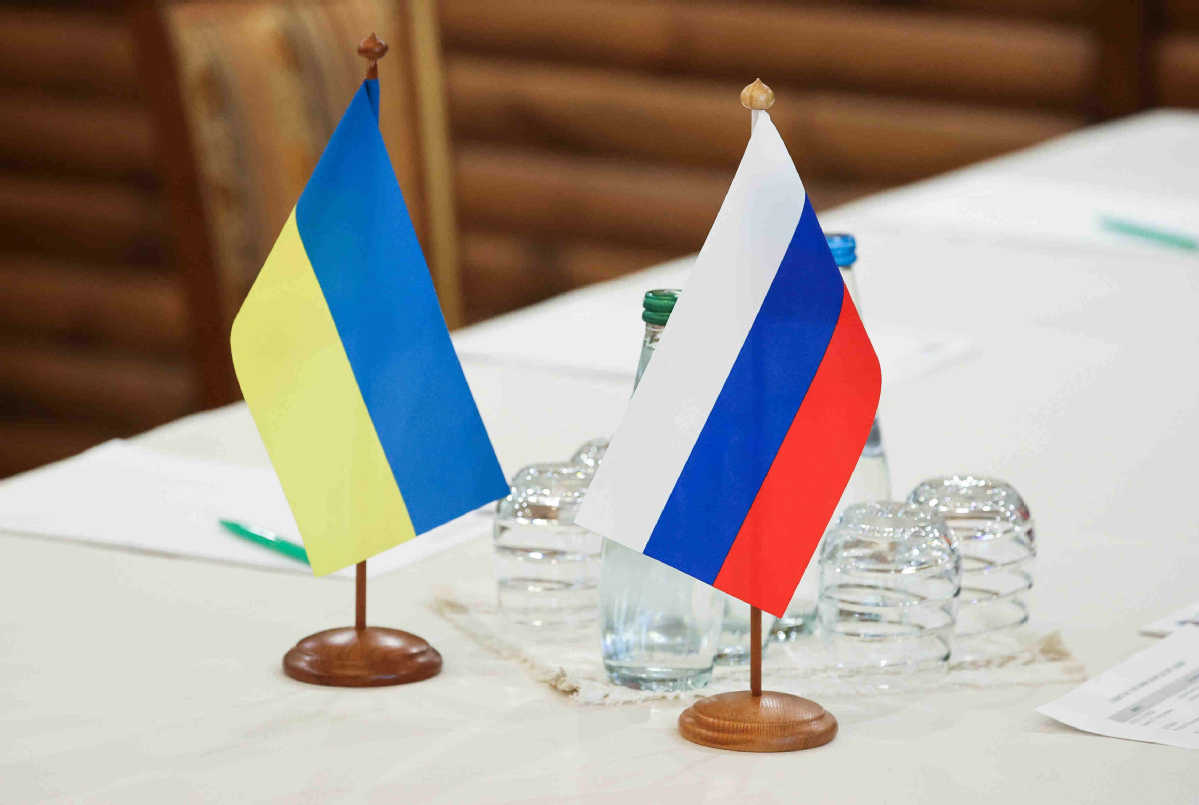
MOSCOW/KYIV - Ukraine and Russia will resume their peace talks on Friday in an online format, the Ukrinform news agency reported Thursday, citing a member of the Ukrainian delegation David Arakhamia.
During the talks, the Ukrainian and Russian delegations will intensify efforts to work out an agreement needed for a meeting between Ukrainian President Volodymyr Zelensky and Russian President Vladimir Putin, Arakhamia said on Telegram.
"We hope that the presidents of the countries will meet next," Arakhamia said, noting that the Ukrainian side insists that the meeting take place anywhere but Russia or Belarus.
According to the TASS news agency, Kremlin Spokesman Dmitry Peskov said on Thursday that "as for the resumption (of the peace talks) tomorrow ... if it happens, we will inform you."
There is no clear timeframe of a possible meeting between Putin and Zelensky, Peskov said.
"We said earlier that a meeting at the highest level should be preceded by the finalization of work on the text of the agreement, the approval and initialing of this text by high-ranking officials," he said.

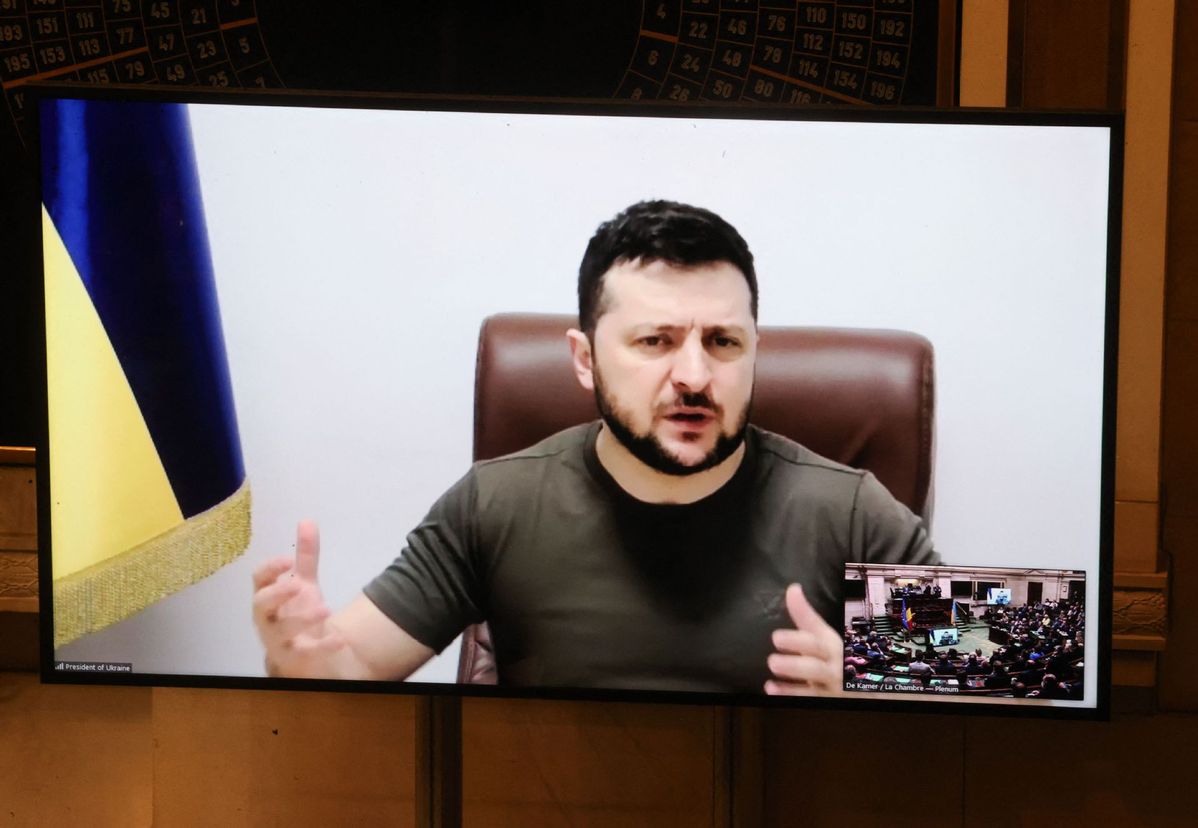
KYIV -- Ukrainian President Volodymyr Zelensky tweeted on Thursday he had discussed steps toward peace in Ukraine with Turkish President Recep Tayyip Erdogan.
During the conversation, Zelensky noted the high level of organization of negotiations of Ukrainian and Russian delegations in Istanbul.
Besides, the Ukrainian leader said he appreciates the readiness of Turkey to become a guarantor of Ukraine's security.
Ukraine and Russia concluded their fresh round of face-to-face peace talks in the Turkish city of Istanbul on Tuesday.
At the negotiations, Kyiv proposed to sign a new international treaty on security guarantees, which enshrines obligations for the guarantor countries to provide Ukraine with military assistance in the event of an attack.

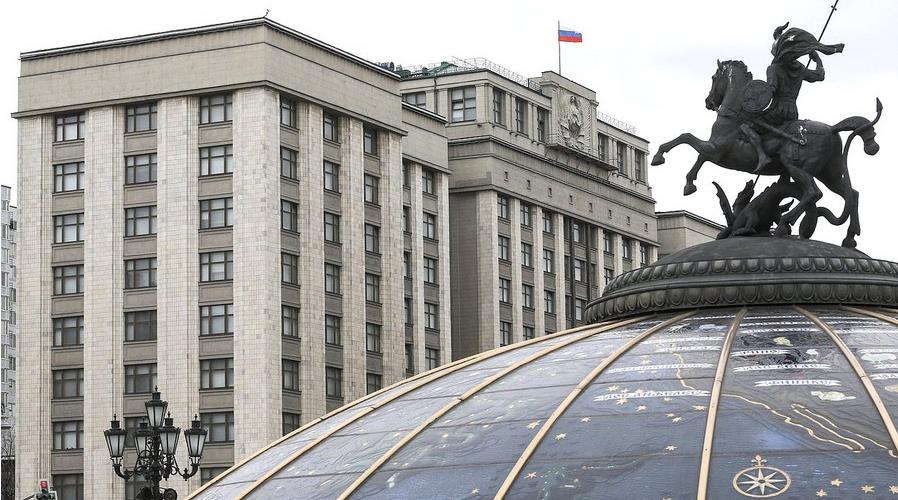
MOSCOW -- A Russian parliamentary commission held its first meeting on Thursday, announcing the establishment of four working groups to investigate US-controlled biological laboratories in Ukraine.
The commission heard information from the Russian Defense Ministry on the investigation into biological research by American specialists in Ukraine, the Russian State Duma or the lower house of the country's Federal Assembly said in a statement.
During Russia's special military operation, the dangerous biological activities of the United States on the territory of Ukraine were revealed, said Irina Yarovaya, co-chair of the commission and deputy chairperson of the State Duma.
"Dangerous both for Russia and for Ukraine itself. We are talking about secret activities controlled by the US Department of Defense, with signs of the development of biological weapons," she said.
The four working groups will conduct a detailed analysis of all documents and facts, including at the expert level, the senior lawmaker noted.
"Today the commission has instructed the working groups on defense, security and international law to start working on materials on the involvement of Hunter Biden in the project in Ukraine, as well as an invitation for explanations from him and Victoria Nuland," Yarovaya said.
The investment fund Rosemont Seneca, currently managed by US President Joe Biden's son Hunter Biden, financed the Pentagon's military biological program in Ukraine, the Russian Defense Ministry said last week.
US Undersecretary of State for Political Affairs Victoria Nuland has admitted that "Ukraine has biological research facilities."
The Russian parliamentary commission, which was founded last week, will report its findings to President Vladimir Putin, the government and international organizations. The next meeting of the commission will be held on April 4.

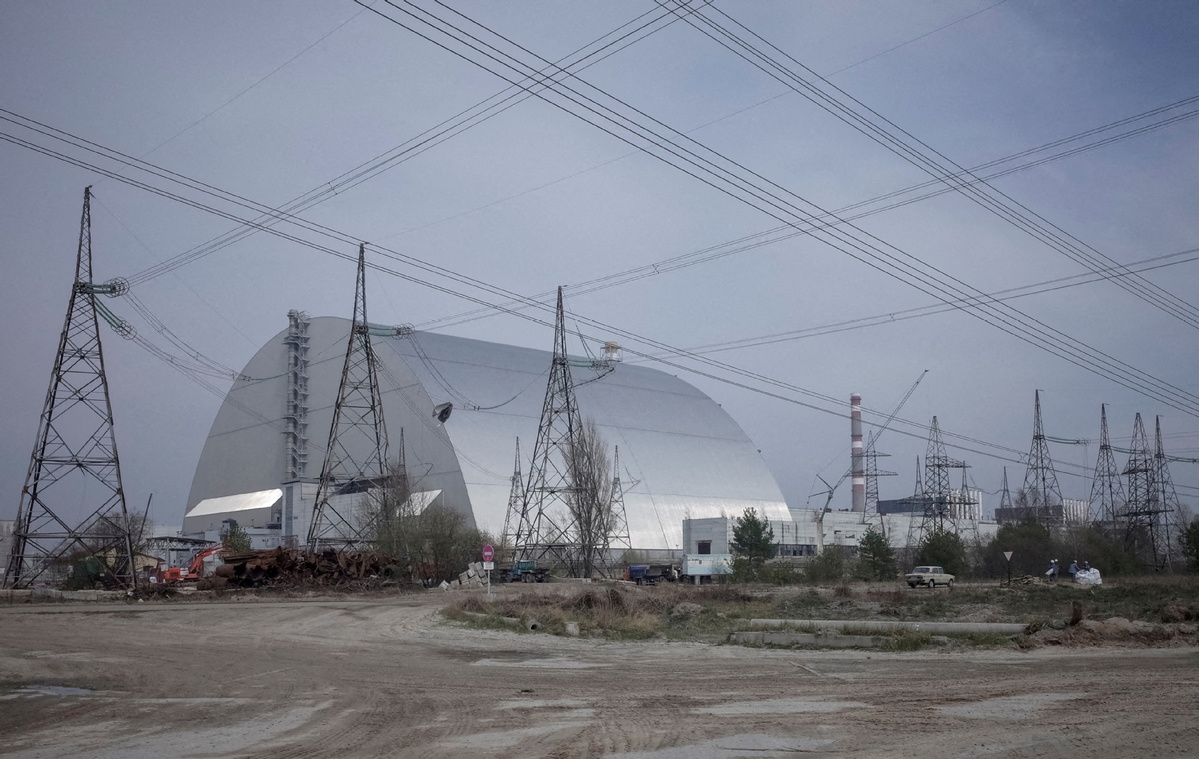
VIENNA -- The International Atomic Energy Agency (IAEA) said Thursday it had been informed by Ukraine that Russian forces that had been in control of the Chernobyl nuclear power plant were leaving the facility and had "in writing, transferred control" of the plant to Ukrainian personnel.
Ukraine said two convoys of Russian forces had left the Chernobyl plant and moved toward Belarus and a third convoy had left the city of Slavutych, where many of the facility's staff live, and moved toward Belarus, the IAEA said in a statement.
The remaining Russian forces at the Chernobyl site were also presumed to be preparing to leave, according to the statement.
The IAEA said it was in close consultations with Ukrainian authorities on sending a first assistance and support mission to Chernobyl in the next few days.
The UN nuclear watchdog said it had not been able to confirm reports of Russian forces receiving high doses of radiation in the exclusion zone of Chernobyl, but was seeking further information to provide an independent assessment of the situation.
The Chernobyl nuclear plant, some 110 km north of Kiev, suffered one of the worst nuclear accidents in human history on April 26, 1986.
Ukrainian authorities said Russian forces had been in control of the plant since Feb 24.

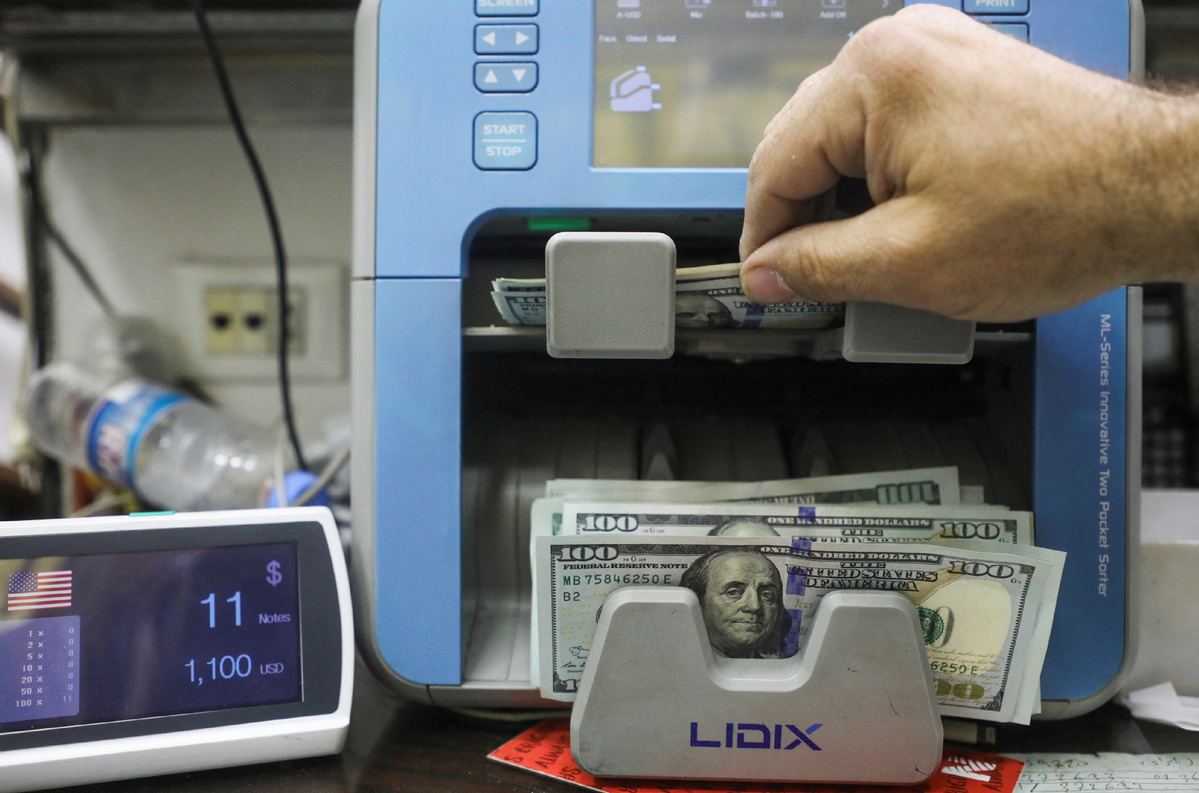
But IMF official expects dominance of the greenback to continue in short term
The raft of sanctions many nations have directed at Russia over its "special military operation"in Ukraine could unintentionally erode the global dominance of the United States' dollar, a top International Monetary Fund official has warned.
Gita Gopinath, the institution's deputy managing director, told the Financial Times newspaper the sanctions could lead to a more fragmented international monetary system because they will encourage the emergence of smaller currency blocs based on trade between nations, alliances, and continents.
"The dollar would remain the major global currency even in that landscape but fragmentation at a smaller level is certainly quite possible," she said when discussing the repercussions of sanctions that include limitations on the activities of Russia's central bank. "We are already seeing that, with some countries renegotiating the currency in which they get paid for trade."
Ironically, the sanctions the United States and its allies have imposed on Russia after the eruption of the Ukraine crisis could end up helping Moscow realize its long-held dream of breaking its reliance on the US dollar for most international transactions.
Russia is thought to keep around one-fifth of its foreign reserves in dollar-denominated assets that are largely held in France, Germany, Japan, and the United Kingdom.
With some nations now looking to isolate Moscow from the global financial system, Gopinath predicted more countries will use currencies other than the dollar when dealing with Russia, leading to more diversification of the reserve assets kept by nations' central banks.
"Countries tend to accumulate reserves in the currencies with which they trade with the rest of the world, and in which they borrow from the rest of the world, so you might see some slow-moving trends toward other currencies playing a bigger role," she explained.
But she said the dominance of the US dollar is unlikely to fade significantly in the short or medium term.
The dollar's share of international reserves had already began to slowly diminish long before the Ukraine crisis, falling from 70 percent to 60 percent, during the past two decades with the Australian dollar and China's RMB the main beneficiaries of that diversification.
Gopinath said Beijing had been internationalizing the RMB long before the crisis in Ukraine flared, and is far ahead of many other nations in that process.
But she said a significantly larger role for the RMB would be a "slow-moving process that takes time".
She told the Financial Times the situation in Ukraine will also lead to more use of so-called digital finance, which includes cryptocurrencies.
The Reuters news agency noted she had also said recently that the situation in Ukraine, while likely to slow global economic growth in the coming months, will probably not cause a global recession.

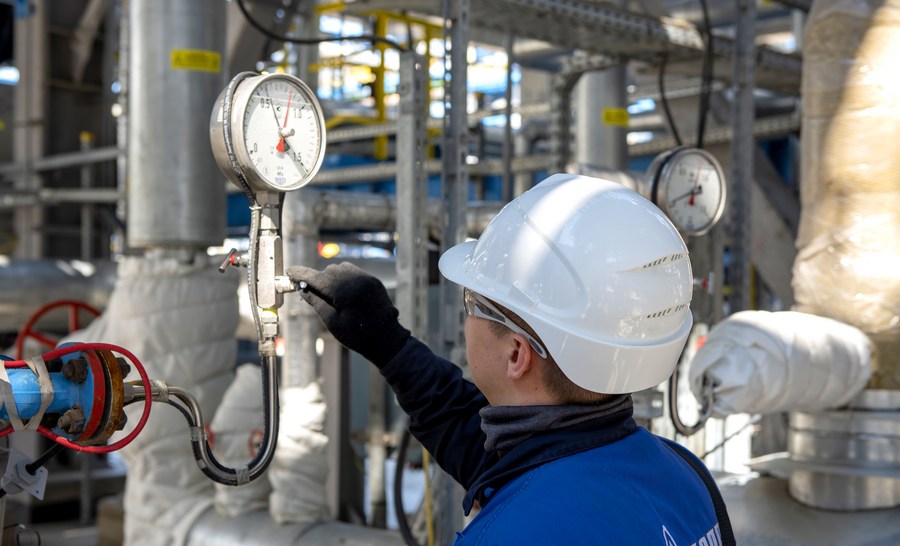
MOSCOW -- Russian President Vladimir Putin signed a decree on Thursday on new rules of natural gas trade with "unfriendly" countries and regions, vowing to halt existing contracts if these buyers refuse to pay in rubles.
"Today I signed a decree ... To purchase Russian natural gas, they must open ruble accounts in Russian banks. It is these accounts that will be used to pay for the gas supplies, starting April 1," Putin told a government meeting.
"If such payments are not made, we will consider this a default on the part of buyers responsible for all the ensuing consequences. No one sells us anything for free, and we are not going to do charity either," he said.
Western countries use the financial system as a weapon and their companies refuse to fulfill contracts with Russian entities and individuals, Putin stressed.
When Russian assets in U.S. dollars and euros are frozen, it makes no sense to use the currencies of Western countries, he noted.
Putin called the transfer of payments for Russian gas to rubles "an important step towards strengthening our financial and economic sovereignty."
Russia will consistently and systematically move in this direction and increase the share of foreign trade settlements in rubles and currencies of reliable partners, the president said.
Putin said at a government meeting last week that Russia will reject U.S. dollars or euros and only accept rubles for its natural gas supplied to "unfriendly" countries and regions, including the European Union (EU) members and the United States.
Western countries have taken "illegitimate decisions" to freeze Russian assets, thus undermining the reliability of their currencies, he said.
Some EU countries have voiced opposition to Russia's new rules on gas trade.

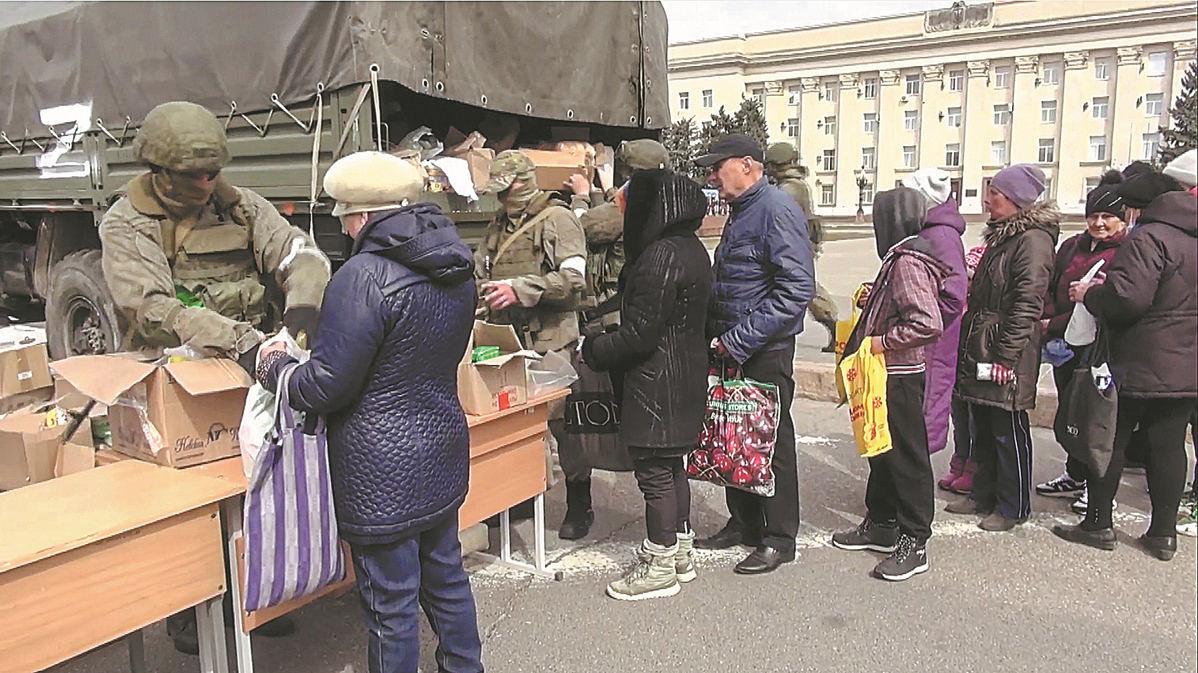
Flexibility evident with proposal for Ukraine, Russia leaders to meet
This week, delegations from Russia and Ukraine came face to face for the first time in two weeks. They did so over a white tablecloth at a long table inside a 19th century Ottoman palace on the banks of the Bosporus in Istanbul, welcomed by Turkish President Recep Tayyip Erdogan with a greeting in English-"Good morning".
After more than a month of talks, first in person in Belarus, then in recent weeks via video, the diplomacy between Ukraine and Russia has been running in parallel to their conflict, which entered a new phase on Tuesday.
Russian Deputy Defense Minister Alexander Fomin on Tuesday announced that Russia would decrease the military activities in the areas around Kyiv and Chernihiv in an effort to "increase mutual trust for future negotiations" to lead to a peace deal with Ukraine.
However, Russian President Vladimir Putin told Italian Prime Minister Mario Draghi that conditions were not yet in place for a cease-fire in Ukraine, Draghi told a news conference on Thursday when asked about a telephone call with Putin the previous day.
David Arakhamia, the head of the nine-person Ukrainian delegation, said that holding the talks in Turkey was a "victory" in itself, because Turkey "is our friend and partner". The earlier in-person rounds of talks had been held in Belarus, Russia's closest ally.
But Turkey, while a NATO member, has also been determined to maintain ties with Russia, refusing to join sanctions against Moscow and maintaining direct air connections to multiple Russian cities.
Right after the Istanbul meeting, Moscow proposed a meeting between the Russian and Ukrainian presidents for the first time during the conflict.
Russian presidential aide Vladimir Medinsky said after the talks that Russia suggested a meeting between Putin and his Ukrainian counterpart Volodymyr Zelensky "be organized concurrently with the initialing of a bilateral treaty" by the foreign ministers of both countries.
Proposal a first
It was the first time that a senior Russian official proposed a meeting between the two presidents. Kremlin spokesman Dmitry Peskov noted the importance of continuing the face-to-face dialogue.
Although Peskov said there had been no "significant achievements "from the talks so far, some experts are encouraged by an apparent more flexible position signaled by Ukraine.
Dmitry Suslov, the deputy director of the Center for Comprehensive European and International Studies at the Higher School of Economics, cited statements last week from Zelensky about his readiness to discuss the status of Crimea and the Donbass region at a meeting with Putin. This possible shift in his position could be due to his wish to secure a top-level summit, he said.
The Istanbul talks were scheduled to last two days, but after Tuesday's meeting, sources in the Russian delegation and the Turkish Foreign Ministry said the round was over.
Russia's special military operation will continue at least in the Donbass, because the talks haven't made headway on Russia's two key goals: the demilitarization and denazification of Ukraine, Suslov said.
He predicts Ukraine's armed forces there will either be pushed back or encircled. He envisions two possible scenarios: Russia will either try to resolve all the issues comprehensively in one agreement, which means that the special operation will continue, including in southern Ukraine, or it will agree to Ukraine's proposals relating to a neutral and non-nuclear status. Under this scenario, the resolution of the territorial issues will be postponed.
Russian International Affairs Council Director-General Andrey Kortunov expressed his optimism after the latest round of talks, saying the results showed that the rhetoric of both sides has been toned down.
"That said, it is obvious that so far there is no clear rapprochement on the territorial issue," he added.
Georgia's breakaway region of South Ossetia is seeking to take legal steps to join the Russian Federation in the near future, the leader of the region said on Wednesday.
Agencies contributed to this story.

The tragedy of war sadly is good business for some companies, and the Russia-Ukraine conflict is no exception. The share price of an exchange-traded fund that tracks US defense contractors had, by Tuesday, risen 9 percent this year.
Watch the video to find out who profits most from war.


The tragedy of war sadly is good business for some companies, and the Russia-Ukraine conflict is no exception.
The share price of an exchange-traded fund that tracks US defense contractors had, by Tuesday, risen 9 percent this year. Russia's military operation in Ukraine began on Feb 24. The iShares US Aerospace & Defense ETF managed by BlackRock is approaching its 52-week high of $112.94. The fund is made up of 33 stocks.
Raytheon Technologies comprises nearly 23 percent of the fund's holdings, followed by Boeing with around 17 percent, Lockheed Martin at 6 percent, Northrop Grumman at around 5 percent, and General Dynamics at 4.8 percent. Aircraft manufacturing giant Boeing has a division called Boeing Defense, Space & Security.
The United States and other NATO allies have not sent troops into battle in Eastern Europe, but they have been sending weapons made by Raytheon and Lockheed Martin, such as Javelin anti-tank missiles and Stinger anti-aircraft missiles.
At least 19 US lawmakers or their spouses hold stock in Raytheon and Lockheed Martin, according to a Business Insider analysis of federal financial records, the website reported on March 22.
Rob Maness, a retired US Air Force colonel, tweeted on March 16: "When you hear Senators and Congressional members clamor for war, check their stock portfolio."
Also on March 16, Robert Reich, former US labor secretary, wrote on Twitter: "Lockheed Martin spends tens of millions lobbying Congress each year. The company boasted that Ukraine-Russia tensions would be good for business. 47 members of Congress and their spouses own up to $6.7M of defense contractor stocks. Anyone else see a problem with this picture?"
On March 2, Aparajita Dutta, a senior research analyst at Zacks, wrote in an article on nasdaq.com: "With America being the largest exporter of combat weapons around the world, the current situation has set the stage for the country's defense contractors to win more contracts. In fact, the United States has been supporting Ukraine in building up strength against Russia in recent history.
"In September 2021, the two nations announced a strategic partnership through which America offered a new $60 million security assistance package, including additional Javelin anti-armor systems and other defensive lethal and non-lethal capabilities, to Ukraine. Impressively, the United States has committed $2.5 billion in support of Ukraine's forces since 2014."
Weapons sent
By March 7, the US and other NATO members had sent about 17,000 anti-tank missiles and 2,000 anti-aircraft missiles to Ukraine, the CNN network reported.
On March 16, the White House announced an $800 million assistance package for Ukraine that included 800 additional Stinger systems and 2,000 Javelin systems.
According to a White House statement that day, the commitment also included "1,000 light anti-armor weapons, and 6,000 AT-4 anti-armor systems; 100 Tactical Unmanned Aerial Systems; 100 grenade launchers, 5,000 rifles, 1,000 pistols, 400 machine guns, and 400 shotguns; over 20 million rounds of small arms ammunition and grenade launcher and mortar rounds; 25,000 sets of body armor; and 25,000 helmets".
In the $813 billion defense portion of the 2023 fiscal year budget announced by the White House on Monday, $682 million would be sent to Ukraine to support its security and economy, and US President Joe Biden pledged a further $500 million in economic aid on Wednesday, in a phone call with Ukrainian President Volodymyr Zelensky.
"Naturally, the administration's budget rollout focused on the Russian invasion of Ukraine as one of the rationales for increased spending. But the Ukraine crisis should not be used as an excuse to increase the Pentagon's already enormous budget," William D. Hartung, a senior research fellow at the Quincy Institute for Responsible Statecraft, wrote on March 30 in an article for the institute's website.
"As if the numbers requested for the Pentagon were not enough to create a surge in the bottom lines of major weapons makers, these firms can be counted on to use their considerable lobbying muscle to press for more, working closely with their allies in Congress," he wrote.


Russia and Ukraine could soon make a deal that will end the conflict that erupted on February 24. But without achieving its political and military goals in the Eastern European country, any agreement that Moscow may sign with Kyiv will be interpreted as a sign of Russian weakness.
On March 29, Russian and Ukrainian representatives held another round of talks in Istanbul. As a result, the Russian Defense Ministry announced its decision to "fundamentally cut back military activity in the direction of Kyiv and Chernigiv" in order to "increase mutual trust for future negotiations to agree and sign a peace deal with Ukraine." Does that mean that the Kremlin has given up its plans to demilitarize and denazify the former Soviet republic?
According to the Kremlin's spokesman Dmitry Peskov, denazification remains one of the crucial goals of Russia's special military operation in Ukraine. Russian Defense Minister Sergei Shoigu, for his part, claims that "the combat potential of the Ukrainian Armed Forces was significantly reduced, the Air Force and Air Defense of Ukraine were practically destroyed, and its Navy ceased to exist." Such a statement gives the Kremlin room for various political maneuvers. It would not be improbable for Moscow to soon declare that it achieved the major military goals of its special operation in Ukraine.
In reality, however, without a pro-Russian government in Kyiv, the Eastern European nation will remain in the Western geopolitical orbit, and will continue developing close ties with the North Atlantic Treaty Organization (NATO).
The West will see any unilateral concessions to Kyiv as a Russian defeat. Moreover, even if Russia and Ukraine soon sign a peace deal, the West will not lift sanctions it imposed on Moscow. Thus, from the Russian perspective, a potential agreement with Ukraine, under the current circumstances, would mean Russia's de facto capitulation. Such a move would have extremely negative consequences for the very future of the Russian Federation.
Kyiv, on the other hand, seeks "security guarantees that are stronger than NATO's Article 5," David Arakhamia, head of Ukrainian President Volodymyr Zelenskyy's party in parliament, said on March 29, which means that Ukraine wants to make sure that next time Russia has to fight against both the Eastern European nation and NATO. Thus, the two countries will unlikely truly normalize their relations any time soon.
If Moscow and Kyiv sign a deal in the near future, it may be just a truce, no matter how they formulate it. Given that Minsk Ⅰ and Minsk II agreements have not brought peace to the Donbas, but have led to the escalation instead, it seems unlikely that a potential "Minks Ⅲ" – be it signed in Istanbul or elsewhere – would have a significantly positive impact.
A possible deal between Moscow and Kyiv would allow the West to increase its influence in the Eastern European country. NATO officials have already pointed out that they will continue supplying weapons to Ukraine. Thus, if the Kremlin agrees to end its special military operation, it will only sweep the Ukraine issue under the carpet.
Ramazan Kadyrov, the head of the Chechen Republic, seems to be quite aware that such a scenario will bring nothing good to the Russian Federation. That is why he firmly opposed any negotiations with Kyiv, and stressed that Russia needs to "completely finish what it started."
The problem, however, is that the West will unlikely allow Russia to preserve control over the territories in southern and eastern Ukraine. NATO will make sure that the Ukrainian army regroups, consolidates and gradually recaptures cities that are currently under Russian control. More importantly, Russia's decision to cut back military activities around Kyiv could have negative consequences for Russian troops in other parts of Ukraine. The Kremlin has sent a message that Russian forces are not in Ukraine to stay. The local authorities in Ukrainian cities that are under Russian control will now unlikely dare to cooperate with the Russian army. They will wait for the Ukrainian Armed Forces to return instead.
One thing is for sure: In order to achieve its political and military goals in Ukraine, the Kremlin will have to change its strategy.
Nikola Mikovic is a freelance journalist based in Serbia. He covers mostly Russian, Ukrainian and Belarusian foreign policy issues and writes for multiple web magazines.

The recent revelation of US biological military activities in Ukraine has sparked widespread concerns, but it's just the tip of the iceberg in the US "biological military empire" across the world, according to Xinhua reports.
The US has 26 biolabs and other related facilities in Ukraine over which the Pentagon has complete command, as per official data. The US has 336 biological labs in 30 countries under its control.
Washington has invested over $200 million in these labs, whose research aims to create a mechanism for the covert transmission of deadly pathogens, said Foreign Ministry spokesman Zhao Lijian at a daily briefing in early March.
All dangerous pathogens in Ukraine are by order stored in these labs, and all research activities are overseen by the US.
No information can be released to the public without the approval of the US.
Shrouded in secrecy, the extensive US biological military activities also pose serious threats to global health and stability.
The World Health Organization has suggested that Ukraine destroy high-threat pathogens stored in the country's laboratories to avert "any potential spills" that could cause the spread of disease, said Zhao.
Nonetheless, US politicians have remained obstinate, even dismissing the international community's concerns as disinformation.
Zhao said the international community has long had serious concerns over the US' biological military activities.
It is imperative for Washington to respond seriously to global concerns in an open, transparent and responsible manner, and give a full account of its biological military activities at home and abroad and subject itself to multilateral verification.
Video source: Xinhua and CCTV

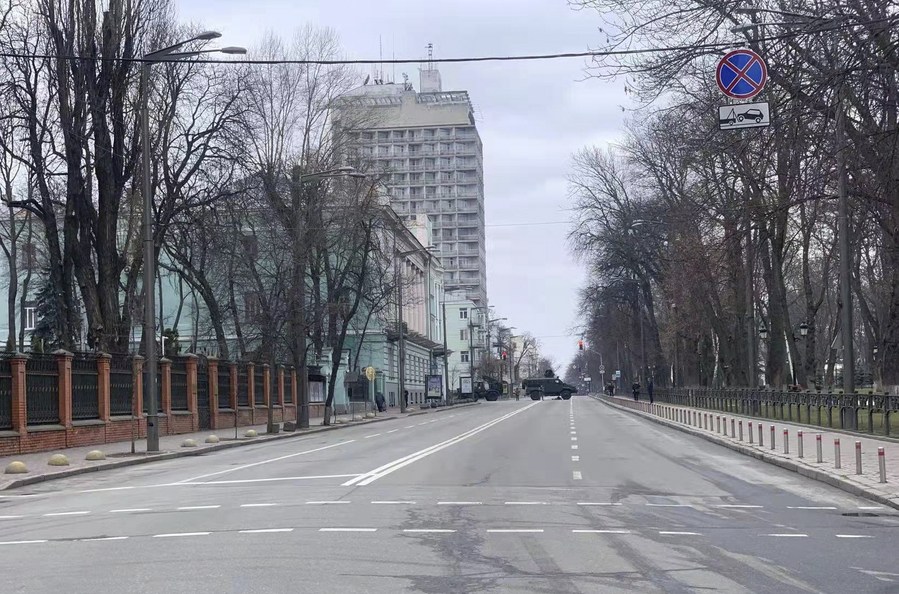
KYIV -- Russia is redeploying its troops from Kyiv and Chernihiv directions, in the central and northern Ukraine respectively, to Ukraine's eastern regions, Oleksiy Danilov, the Secretary of the National Security and Defense Council, said Wednesday.
"Some personnel, who were in Chernihiv and Kyiv directions, are being redeployed. Some of them appear in the Kharkiv and Donetsk directions," Danilov was quoted as saying by the Ukrinform news agency.
Russia's new offensive on Ukrainian forces is also possible in the eastern Lugansk area, Danilov said.
Earlier in the day, Ukrainian Defense Ministry's spokesman Olexandr Motuzyanyk said that Russia has been withdrawing some troops from Kyiv and Chernihiv directions.
On Tuesday, Russia's Defense Ministry announced that Russia decided to significantly reduce military activity near Kyiv and Chernihiv.


Organizations in the US that will help settle Ukrainian refugees into the country say they are prepared to welcome them, but they will need mental health support along with cultural ties to make a smooth transition to their new home.
President Joe Biden announced in March that the US would take in 100,000 Ukrainian refugees displaced by the Russia-Ukraine conflict.
But the White House hasn't yet revealed details of how it will happen. According to the United Nations, an estimated 3.6 million Ukrainians have been forced to flee from the conflict that began on Feb 24.
Lydia Zaininger, interim director of the Ukrainian Institute of America in New York, a nonprofit organization that has promoted Ukrainian culture in the US since 1948, said she has heard of a trickle of refugees arriving, many reluctantly.
"They are leaving their homes and everything they know, and we don't think the ones that have come here even really want to come here," Zaininger, a Ukrainian American, told China Daily. "They want to go home in general is the feeling that we're getting from everyone.
"In the past, people would have seen it as a great opportunity. Finally get to America, which has been elusive. But right now, it's such a different mood, so I think and hope that [seeing their] culture will be important to them to soften the difficult place, psychologically and emotionally where they are," she said.
So far, Poland has taken in 2.1 million people.
The International Rescue Committee (IRC) in Missoula, Montana, believes that it may be a destination for the refugees and is prepared to find them housing, said Eamon Fahey, Missoula IRC's deputy director.
The Ukrainians who arrive in the US will likely be given immigrant and non-immigrant visas through the US Refugee Admissions Program.
Priority will most likely be given to Ukrainians who already have family living in the US. In some states, people could use the family reunification program. It allows a family member already in the US to petition to bring a relative to the US. A Biden administration official also said that another process called humanitarian parole could be used.
Oleg Pynda is founder and executive director of the Ukrainian Community Center of Washington, a non-profit organization in Seattle that helps Eastern European refugees and immigrants overcome language, cultural, educational and social barriers.
Pynda told China Daily that he hasn't yet heard of any Ukrainian refugees arriving in his state. But he says that it can take up to two years if family in the US petitions to get relatives admitted.
"I hope the Biden administration speeds up the process; that's why we're talking to senators to figure out the quickest way, like minimal background checks, so that they could end up in the United States as soon as possible."
Pynda said he believes mental health and community support will be vital.
"They will need psychological and mental health help. That is one of the largest issues that we must address," he said. "It will absolutely be good (for refugees) to have their community close by.
"If you are talking about family members that are here, that's great support, but those who don't have any family in the US, they'll have a large Ukrainian community right here," he said.


WASHINGTON - US President Joe Biden told his Ukrainian counterpart, Volodymyr Zelensky, on Wednesday that the United States will provide Ukraine with 500 million US dollars in "direct budgetary aid", the White House said in a readout of the pair's telephone conversation.
The White House said Biden told Zelensky the United States "intends to provide the Ukrainian government with 500 million dollars in direct budgetary aid" on the call, which lasted about an hour to end at 12:03 pm ET, according to a pool reporter covering the White House.
"The leaders discussed how the United States is working around the clock to fulfill the main security assistance requests by Ukraine, the critical effects those weapons have had on the conflict, and continued efforts by the United States with allies and partners to identify additional capabilities to help the Ukrainian military defend its country," the readout said.
Zelensky said on Twitter following the call that he and Biden "shared assessment of the situation on the battlefield and at the negotiating table. Talked about specific defensive support, a new package of enhanced sanctions, macro-financial and humanitarian aid".


Moscow outlines how Putin, Zelensky can hold talks, amid trust-building steps
Moscow has proposed a meeting between the Russian and Ukrainian presidents for the first time during the conflict.
The overture, which comes with conditions, was revealed as Russia claims it is reducing its military activities near Kyiv and other cities to "increase mutual trust" with Ukraine.
Russian presidential aide Vladimir Medinsky said after talks on Tuesday in Istanbul that Russia suggested a meeting between President Vladimir Putin and his Ukrainian counterpart Volodymyr Zelensky be organized concurrently with the initialing of a bilateral treaty by the two foreign ministers.
It is the first time that a senior Russian official proposed a meeting between the two presidents. Zelensky has repeatedly asked for a meeting with Putin even before the launch of Russia's special military operation.
"During this initialing and consideration of the treaty's details, it will be possible to discuss various political nuances and details," Medinsky said.
"So, if the work on the treaty and a required compromise proceeds swiftly, the possibility of peace will be much closer."
Medinsky said it is envisaged that a treaty be drafted and, if approved by the negotiators, it would be signed by the foreign ministers at a meeting. Once this stage is cleared, the document would be signed by the heads of state. "It is not a simple matter, the more so as it could be a multilateral meeting involving guarantor nations of peace and security in Ukraine."
The talks for Russian and Ukrainian delegations in Istanbul were scheduled for two days, but after Tuesday's meeting, sources in the Russian delegation and the Turkish Foreign Ministry said the round was over and the meeting planned for Wednesday was called off.
Proposals studied
Russian state news agency TASS said the Russian delegation had received a "clear-phrased position", and Medinsky said Kyiv's proposals will be studied in the near future and reported to Putin.
In addition, Russia is making two de-escalation steps, in both the political and military spheres, Medinsky said.
China has noticed the positive signal sent by both Russia and Ukraine in their fifth round of talks, Foreign Ministry spokesman Wang Wenbin said on Wednesday, adding that China always holds that dialogue is the only right way to solve the crisis.
China calls for Russia and Ukraine to keep the overall direction of the dialogue and negotiations, to meet each other halfway, and to reach a consensus on the solution of a political settlement, so as to avoid an escalation in the situation and resume peace at an early date, Wang said.
Wang urged the international community to say more and do more things that are conducive to the dialogue and negotiation as well as support Russia and Ukraine in continuing talks to yield results and achieve peace.
Russian Deputy Defense Minister Alexander Fomin announced the decision to decrease the military activities in the areas around Kyiv and Chernihiv in an effort to "increase mutual trust for future negotiations" to lead to a peace deal with Ukraine.
Some Russian units have returned to Belarus after suffering heavy battlefield losses in Ukraine, according to the United Kingdom's Ministry of Defence in an intelligence update on Wednesday.
Vadym Denysenko, an adviser to Ukraine's interior minister, confirmed on Wednesday that the Russian units and their equipment were moving from Kyiv's outskirts to Belarus.
"Still, there was an air of alarm throughout the country during the night," he said.
Denysenko described the situation in the besieged cities of Chernihiv and Mariupol as difficult. Around the capital, there were reports of fighting near the western suburb of Irpin overnight, he said.
Kremlin spokesman Dmitry Peskov said on Tuesday that United States President Joe Biden's insults against Putin have hurt relations between the two countries, but dialogue between Moscow and Washington is necessary regardless.


China supports Russia and Ukraine in overcoming their difficulties and continuing peace talks, State Councilor and Foreign Minister Wang Yi said on Wednesday, adding that China is supportive of the positive results achieved so far through negotiations.
Wang made the remark during a bilateral meeting with Russian Foreign Minister Sergey Lavrov, who is in Tunxi, Anhui province, to attend a two-day meeting of foreign ministers of countries bordering Afghanistan.
China always upholds objectivity and fairness on international affairs and stands on the right side of history, Wang said.
He noted that the Ukraine issue has special historical complexities, is related to problems and tensions built up over the past years concerning European security, and is also the result of a Cold War mentality and bloc confrontations, he said.

Wang expressed China's support for an early de-escalation of the current situation in Ukraine and for the efforts made by Russia and all parties to prevent a large-scale humanitarian crisis.
In the long run, he said it is necessary to draw lessons from the Ukraine crisis and respond to the reasonable concerns of all parties under the principles of mutual respect and indivisible security.
A balanced, effective and sustainable European security architecture should be built through dialogue and negotiations in order to realize lasting peace and stability in Europe, Wang said.
Speaking of the China-Russia relationship, Wang said that bilateral ties have withstood the test of international turbulence, kept on the right track and showed resilience in their development.
The two sides are developing their relations with increased willingness and pushing forward cooperation in all fields with more confidence, he said.
China is ready to work with Russia to bring their bilateral ties to a higher level in the new era under the guidance of the important consensuses reached between their heads of state, Wang added.
According to a news release from the Chinese Foreign Ministry, Lavrov briefed Wang about the peace talks between Russia and Ukraine, saying that Russia is committed to cooling down the tensions and will continue with the peace talks and maintain communications with the international community.
He highlighted the important role of strategic communications between the Russia and China in terms of advancing the stable development of China-Russia relations and promoting world multipolarization as the international situation comes to a critical moment.
His country is willing to work with China to implement the heads of states' consensus, and keep strengthening high-level strategic coordination and deepening mutually beneficial cooperation in all fields, the Russian foreign minister said.
Meanwhile, Russia will work with China to actively advance the multipolarization process on the international and multilateral stages and oppose hegemony and power politics, he added.
The two sides also exchanged views on issues including the Asia-Pacific situation and the Korean Peninsula.
Speaking at a news briefing in Beijing on Wednesday, Foreign Ministry spokesman Wang Wenbin said that there is no limit to China-Russia cooperation, and no limit to their efforts to achieve peace, safeguard security and oppose hegemony.
On Wednesday, Wang Yi also held talks with other foreign ministers attending the meeting in Anhui, including his Pakistani counterpart Shah Mahmood Qureshi.

Rather than being an attempt to form an anti-United States club, as some have tried to depict, the Third Meeting of Foreign Ministers of the Neighboring Countries of Afghanistan, held in Tunxi, Anhui province, on Wednesday and Thursday, demonstrates the collective will of the region to help the country recover after the precipitous withdrawal of US forces, following the failure of its 20-year intervention in the country.
Presided over by State Councilor and Foreign Minister Wang Yi, the meeting is being attended by acting Foreign Minister Amir Khan Muttaqi of the Afghan interim government, and the foreign ministers or representatives of Pakistan, Iran, Russia, Tajikistan, Turkmenistan and Uzbekistan, as well as the foreign ministers of Indonesia and Qatar as invited guests.
It is a sincere hope of all regional countries that they can play their due part in contributing to the peaceful reconstruction of the country that has suffered so much from war and chaos. China hopes the meeting will be a platform to help transform that will into actions that can bring tangible benefits to the people of Afghanistan.
The meeting should also serve to remind the international community that Afghanistan should never become a forgotten corner of the world, and the US' withdrawal from the country should mark the beginning of a new journey for the Afghan people to have control of their own fate again.
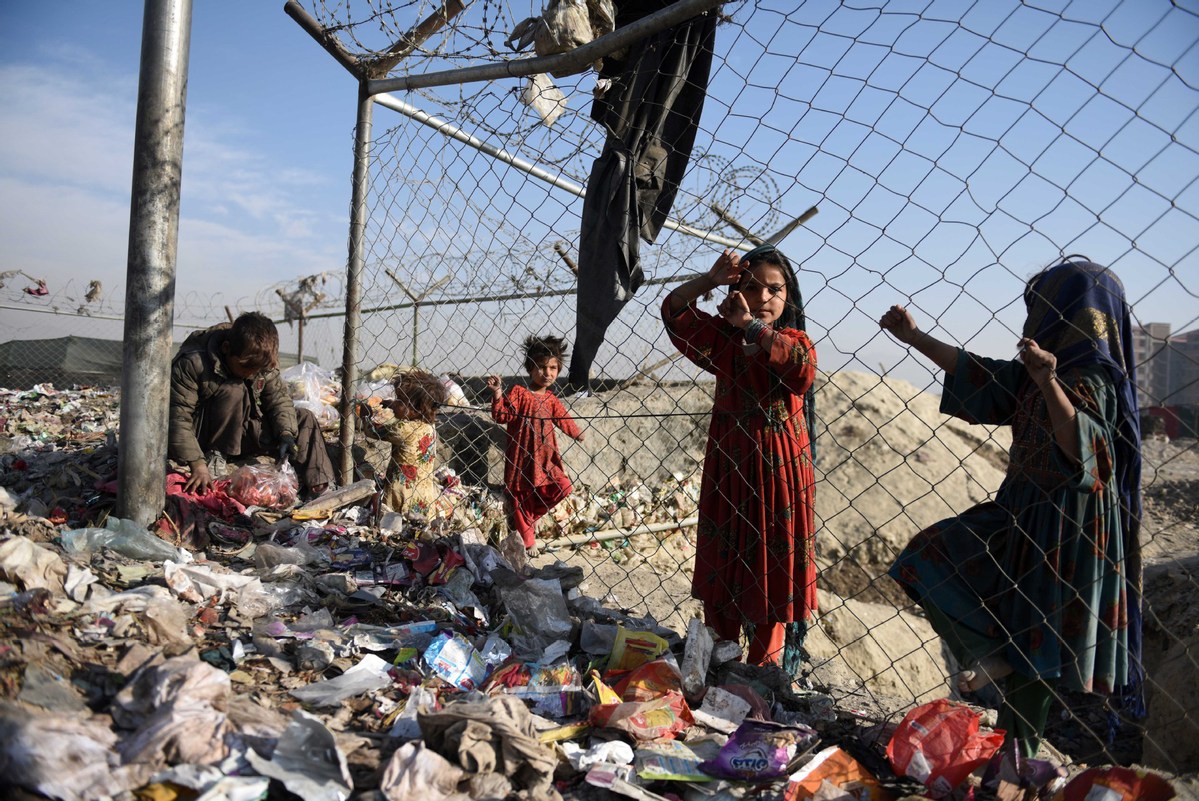
There is no doubt that the Afghan issue should remain high on the current international peace and security agenda, and all parties should fulfill their due responsibilities and play a constructive role. According to United Nations agencies, more than half of the Afghan people face a severe food shortage and millions have been displaced. While the interim government in Afghanistan has embarked on rebuilding the country, that endeavor is not being helped by the sanctions the US and other Western countries have imposed on Afghanistan.
China's position on the Afghan issue is clear. It always respects the sovereignty, independence and territorial integrity of Afghanistan and supports the Afghan people in independently deciding the destiny of their country and choosing their development path. China never interferes in Afghanistan's internal affairs and seeks selfish gains or spheres of influence. It is hoped the interim government of Afghanistan can continue to build inclusive and prudent governance, honor its commitments and take more effective measures to combat all terrorist forces.
Given its geopolitical location at the heart of Asia and its unique role in the global anti-terrorism campaign, Afghanistan's stability and development are critical for regional and even world security and stability. Despite the ongoing crisis in Ukraine, the international community should not ignore the situation in Afghanistan and the plight of the Afghan people.

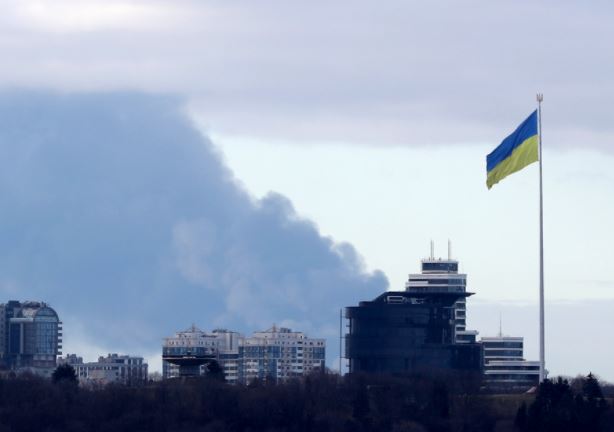
KYIV - Ukraine established three humanitarian corridors on Wednesday, Ukrainian Deputy Prime Minister Iryna Vereshchuk said on Telegram.
Two corridors were set up to allow Ukrainian civilians to flee the cities of Melitopol and Energodar in the southern Zaporizhzhia region, which were captured by Russia's forces, Vereshchuk said.
Another humanitarian route was established in the eastern Donetsk region to evacuate people from the city of Mariupol, where active hostilities are underway, she added.
Last Thursday Ukraine established seven humanitarian corridors, following nine corridors the previous day, according to Ukraine's government-run Ukrinform news agency.

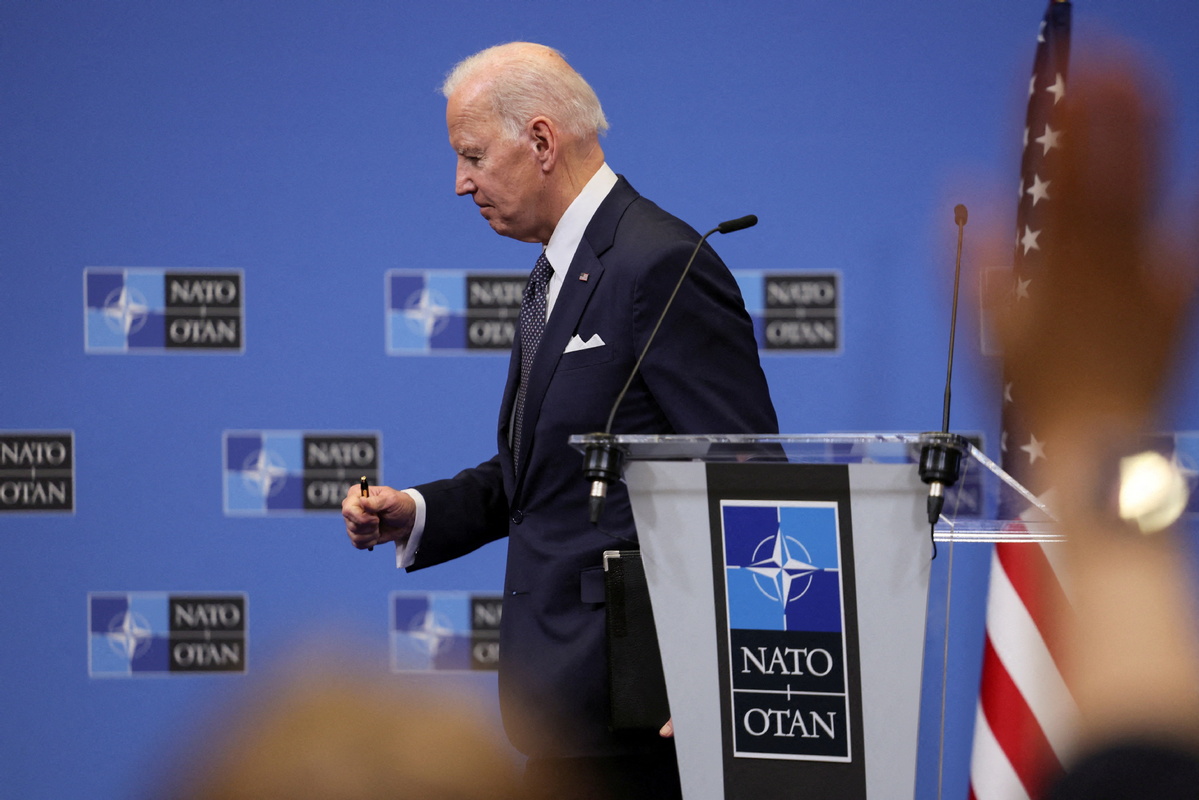
The policies of the US and NATO and their connection to the Ukraine-Russia conflict are not regularly examined in Western discourse, which mostly presents a uniform view of the situation.
"If we don't understand how Western policy helped lead to this conflict and we don't work to veer away from similar mistakes in the future, conflict and war is forever inevitable … opposition in Russia to NATO expansion goes well beyond the single figure of Putin," Branko Marcetic, a staff writer for Jacobin, a socialist magazine in New York, wrote on March 7. "The Orwellian attacks on critics of NATO policy must stop."
Marcetic also noted China's attempts to help de-escalate the situation, and suggested the US and NATO take the same approach.
"The US and NATO should really be part of these negotiations if we're going to create lasting stability in the region, backing up Ukraine and offering to lift sanctions in return for Russian concessions," Marcetic told China Daily.
Blaming Russian President Vladimir Putin and Russia for the ongoing military operation is becoming a new kind of political correctness in the US.
In a March 7 article in Newsweek titled, "The US and NATO helped trigger the Ukraine War", Ted Galen Carpenter, a senior fellow for defense and foreign policy studies at the Cato Institute, said that there is "sizable" culpability of the US and its NATO allies leading up to the Eastern European conflict.
"One can readily imagine how Americans would react if Russia, China, India, or another peer competitor admitted countries from Central America and the Caribbean to a security alliance that it led — and then sought to add Canada as an official or de facto military ally. It is highly probable that the US would have responded by going to war years ago," Carpenter wrote. "Yet even though Ukraine has an importance to Russia comparable to Canada's importance to the US, our leaders expected Moscow to respond passively to the growing encroachment.
"They have been proven disastrously wrong, and thanks to their ineptitude, the world is now a far more dangerous place," he said.
Stephen Walt, professor of international relations at Harvard University, in a March 8 article for Foreign Policy titled, "An International Relations Theory Guide to the War in Ukraine" said that the US' and NATO's behavior gives Putin cause for concern.
"If Putin believed Ukraine was gradually moving into alignment with the United States and NATO — and there were ample reasons for him to think so — then preventing what he regards as an irretrievable loss might be worth a huge roll of the dice," Walt wrote.
John J. Mearsheimer, a political science professor at the University of Chicago, traced the deeper causes of the war's outbreak.
In an article published on March 11 in The Economist, "Why the West is principally responsible for the Ukrainian crisis," Mearsheimer referenced NATO's Bucharest summit in April 2008, when then-US President George W. Bush's administration pushed the alliance to announce that Ukraine and Georgia "will become members".
"America ignored Moscow's red line, however, and pushed forward to make Ukraine a Western bulwark on Russia's border," Mearsheimer wrote. "These efforts eventually sparked hostilities in February 2014, after an uprising (which was supported by the US) caused Ukraine's pro-Russian president, Viktor Yanukovych, to flee the country.
"The next major confrontation came in December 2021 and led directly to the current war. The main cause was that Ukraine was becoming a de facto member of NATO.
"The West, and especially America, is principally responsible for the crisis which began in February 2014. It has now turned into a war that not only threatens to destroy Ukraine but also has the potential to escalate into a nuclear war between Russia and NATO," he wrote.
Marcetic described "the most optimistic scenario right now".
"With the Russian invasion stalled and (Ukrainian President Volodymyr) Zelensky now open to renouncing ambitions to joining NATO, Russia and Ukraine agree to a cease-fire and work out a compromise that's mutually acceptable for the future," he said.
He warned about "the less optimistic scenario": "Ukraine is turned into a permanent war zone along the lines of Iraq and Afghanistan, with Russian indefinitely occupying the country and fighting a Western-backed insurgency. This would be horrific for the Ukrainian people and would make a variety of alarming outcomes more likely the longer it went on, from a nuclear accident to World War III."







